What Is Your Face Shape? How to Find It and Why It Matters
Last Updated:
2026-09-17
What Is Your Face Shape? How to Find It and Why It Matters
Once you know your face shape, choosing flattering hairstyles, glasses, and makeup becomes much easier.
However, if you've ever tried to answer the question, "What is my face shape?", you've probably realized it's not as straightforward as it sounds.
That's because many faces don't fit neatly into a single category. Mine, for example, falls somewhere between oblong and diamond. So how do you determine your face shape when you seem to fit more than one?
In this article, we'll show you:
How to measure your face shape accurately
What the most common face shape categories are
An AI-powered tool that does all the measurements for you: the Overchat AI Face Shape Detector.
Your face shape is determined by the proportions of your forehead, cheekbones, jawline, and face length. Most people fall into one of six face shape categories: oval, round, square, heart, diamond, or oblong. You can identify your face shape by taking measurements manually or using the Overchat AI Face Shape Detector, which analyzes your face and reveals your face shape within 30 seconds. Knowing your face shape can help you choose hairstyles, glasses, and makeup that complement your features.
Face shape is identified by comparing four dimensions: forehead width, cheekbone width, jawline width, and face length. How these measurements interact determines whether a face is oval, round, square, heart, diamond, or oblong.
Oval faces are generally considered the most common face shape, while diamond faces are among the least common.
To measure the face shape manually, you need a flexible tape measure. Measure which area of the face is widest, the degree of jawline definition, and whether the face is longer than it is wide.
AI-based face shape analysis can tell you your face shape automatically. The Overchat AI Face Shape Detector allows you to upload a selfie and receive an infographic-style image that shows your face shape.
Knowing your face helps with styling. Not all hairstyles, eyewear, and makeup equally suit all face shapes, which is why knowing yours can help you make the right style choices.
What is a face shape?
A face shape is the overall outline of your face. It is determined by the proportions between four measurements:
Forehead width
Cheekbone width
Jawline width
Face length
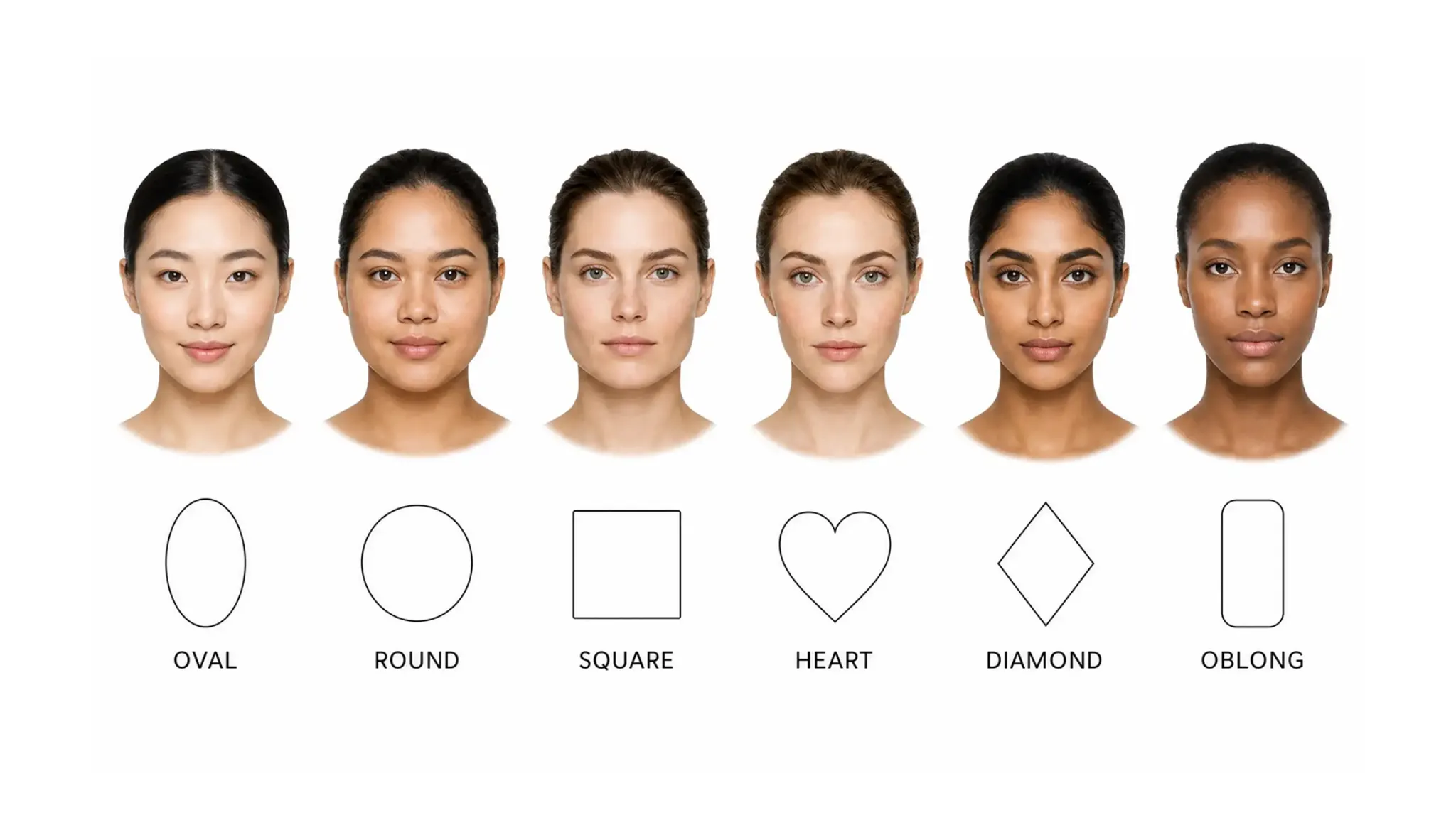
There are six face shape categories, which most people generally fall into:
Oval — the face is longer than it is wide. Telltale sign: a forehead that is slightly wider than the jawline.
Round — the face has similar length and width measurements. Telltale sign: soft contours and a rounded jawline.
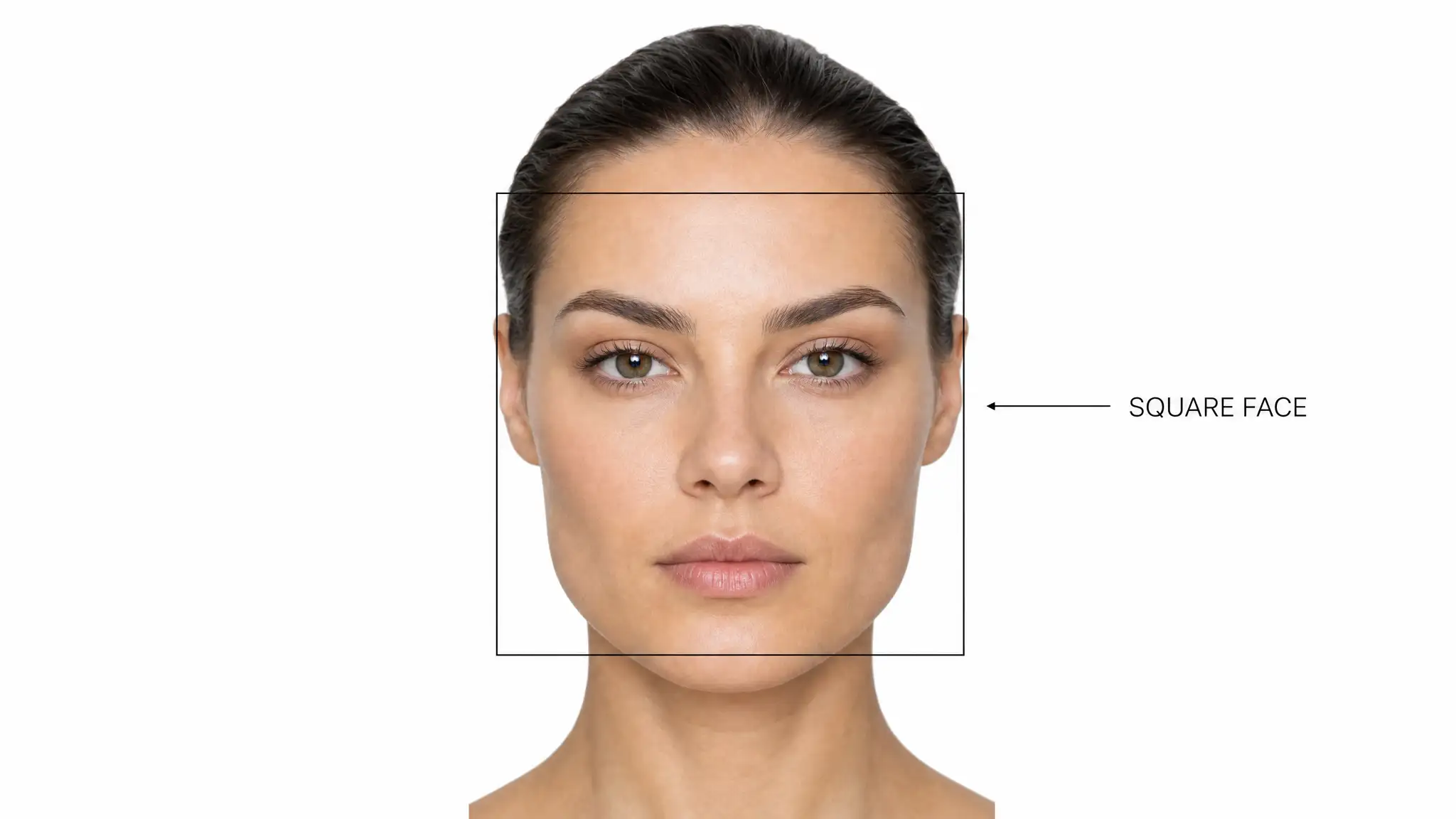
Square — the forehead, cheekbones, and jawline are similar in width. Telltale sign: a more angular appearance.
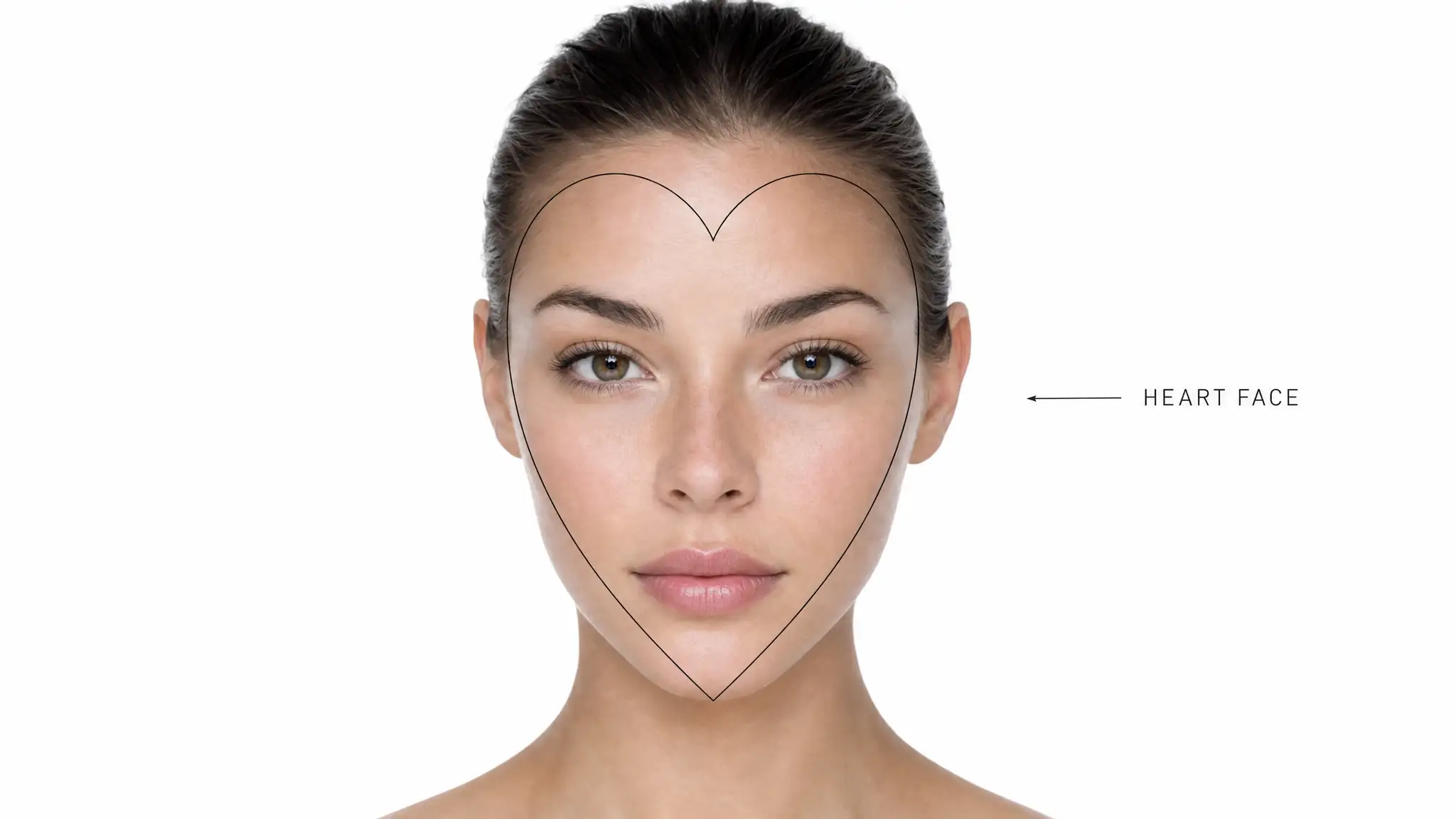
Heart — the forehead and cheekbones are wider than the jaw. Telltale sign: the jaw tapers toward a narrower chin.
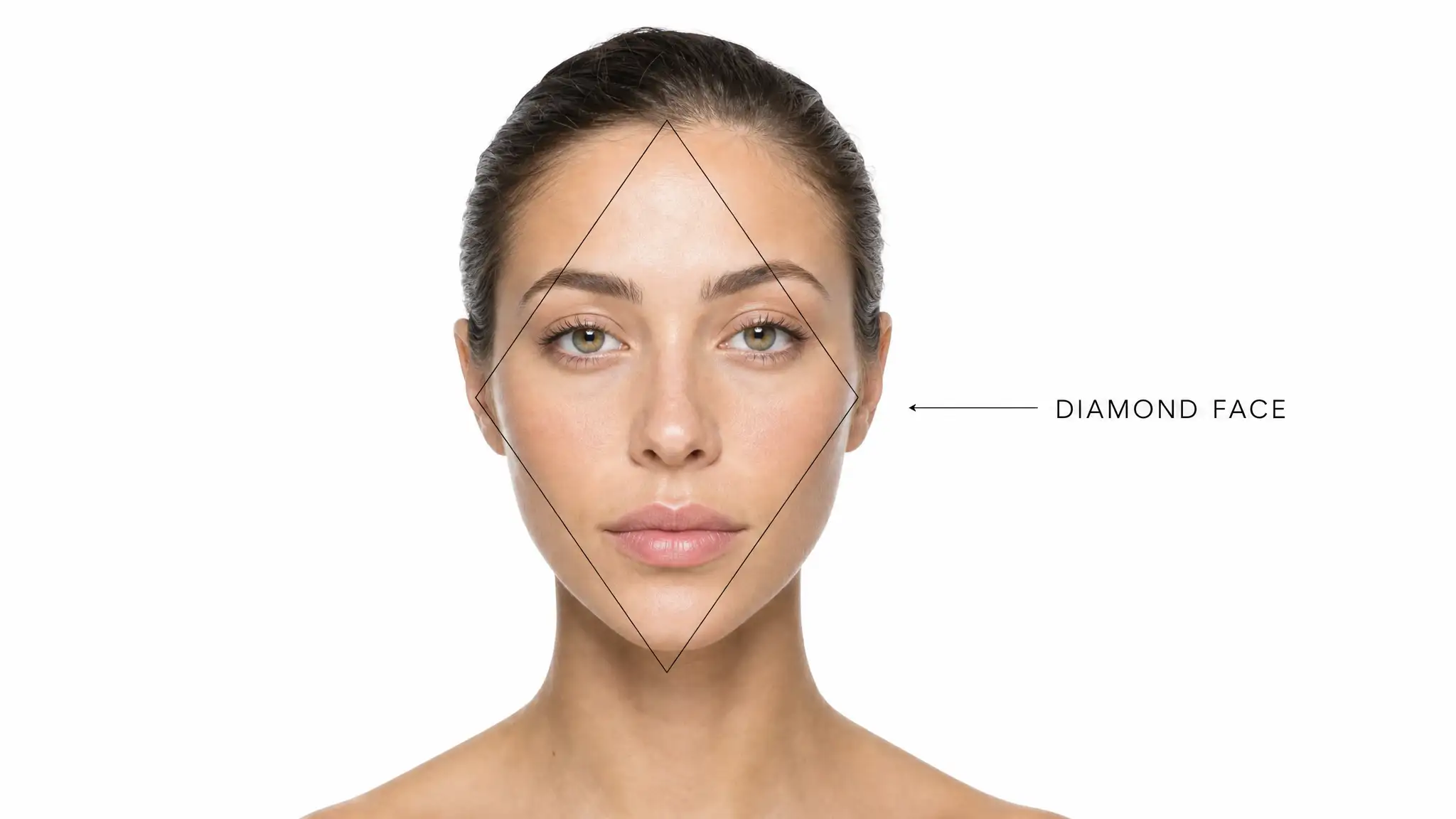
Diamond — the cheekbones are the widest part of the face. Telltale sign: both the forehead and jawline are relatively narrow.
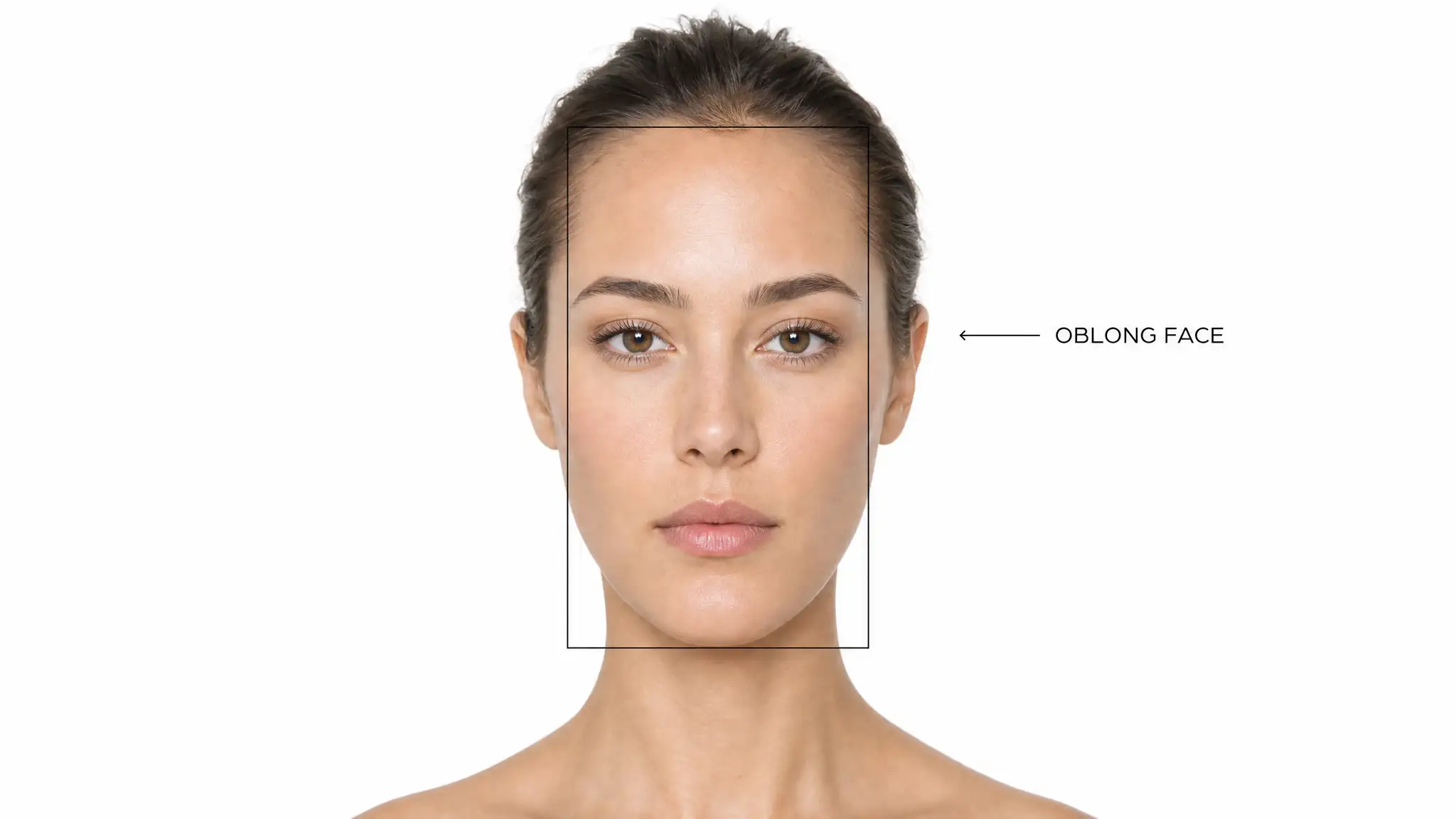
Oblong — the face is noticeably longer than it is wide. Telltale sign: fairly straight sides and a less tapered shape.
So why are people so obsessed with figuring out their face shape in 2026?
It all comes down to personal style. While there are no hard rules, knowing your face shape gives you a useful starting point when choosing a haircut, glasses, or even makeup that suits you.
The idea isn't that one face shape is better than another. Every face shape has its own strengths—you just want to highlight them.
By choosing styles that complement your natural proportions, you can bring out your best features and create more balanced looks.
For example, if you're a man with an oval face shape, a haircut with a lot of height and volume on top may not be the most flattering choice. That's because oval faces are already naturally longer, and extra height can make them appear even more elongated.
In that case, a longer hairstyle with more volume on the sides can help create better balance and add visual width where it's needed.
The same principle applies when choosing glasses, which we'll cover in more detail later in this article.
Why does your face shape matter?
Face shape matters because many styling choices are designed to create visual balance. Hairstyles, glasses, makeup, and facial hair can all change how your proportions appear, and some options are more flattering on some face shapes than others.
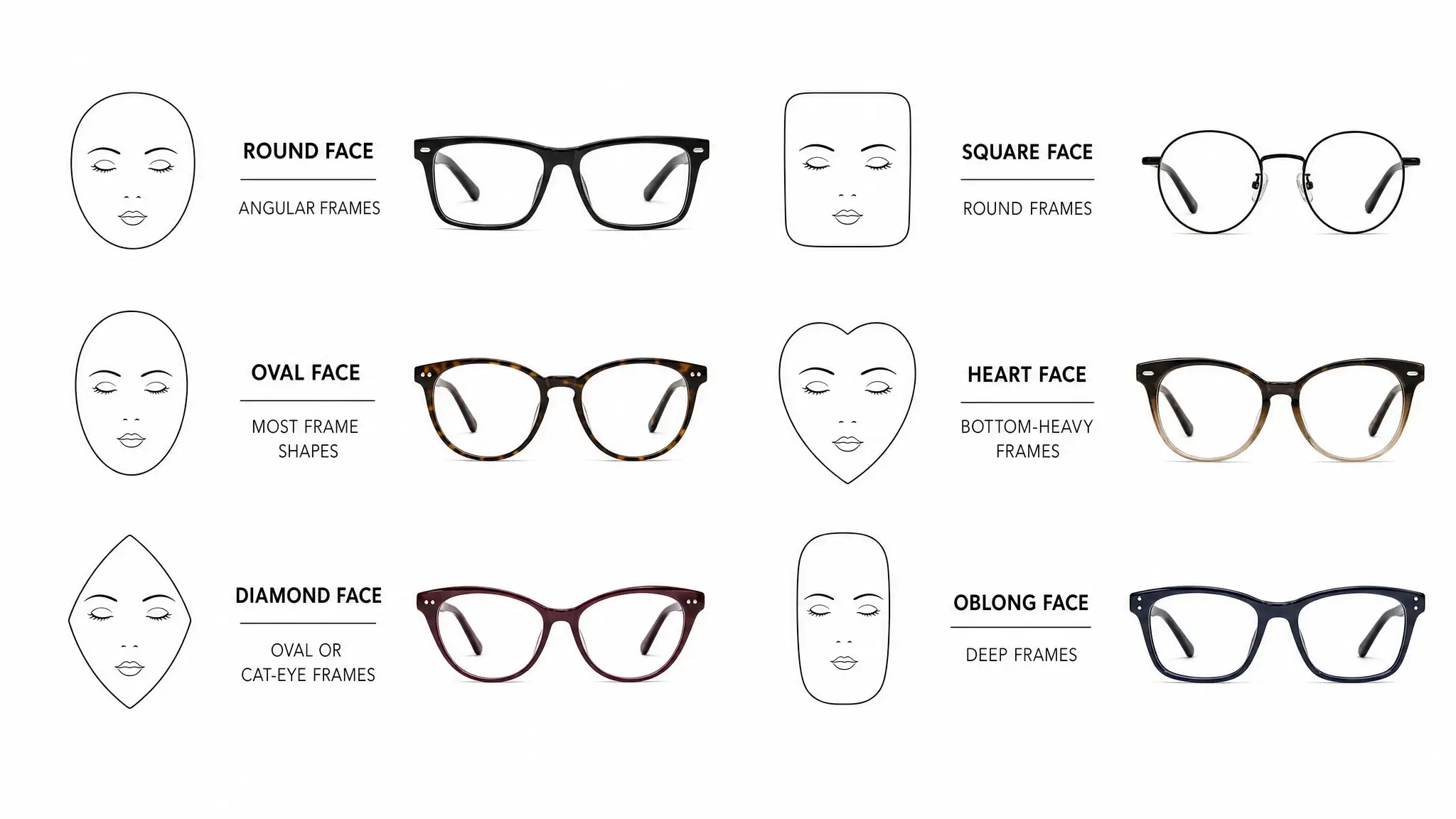
Different frame styles balance different face shapes.
Hairstyles. Extra volume on top can help elongate a round face, while styles that add fullness at the sides can make an oblong face appear more balanced.
Glasses. Angular frames add definition to softer face shapes, while rounder frames can reduce the appearance of sharp angles in square or diamond-shaped faces.
Makeup. The most effective placement depends on your natural proportions, including which areas of the face are widest or most prominent.
Beards. Facial hair can alter the perceived shape of the face. A well-shaped beard can add length to a round face, reduce the appearance of width, or create softer transitions around a strong jawline.
Of course, style is subjective, and there are no hard-and-fast rules about which hairstyles, glasses, or accessories work best for every face shape. Much of it comes down to your personal taste and the overall look you're trying to create.
That said, knowing your face shape gives you a solid foundation to work from. Once you understand the general principles, you can choose to follow them—or break them intentionally.
And that's often how the most interesting and stylish looks come together.
The six face shapes
Now that you know why face shape matters, let's break down the six most common face shapes and the styling approaches that tend to work best for each.
1. Oval face shape
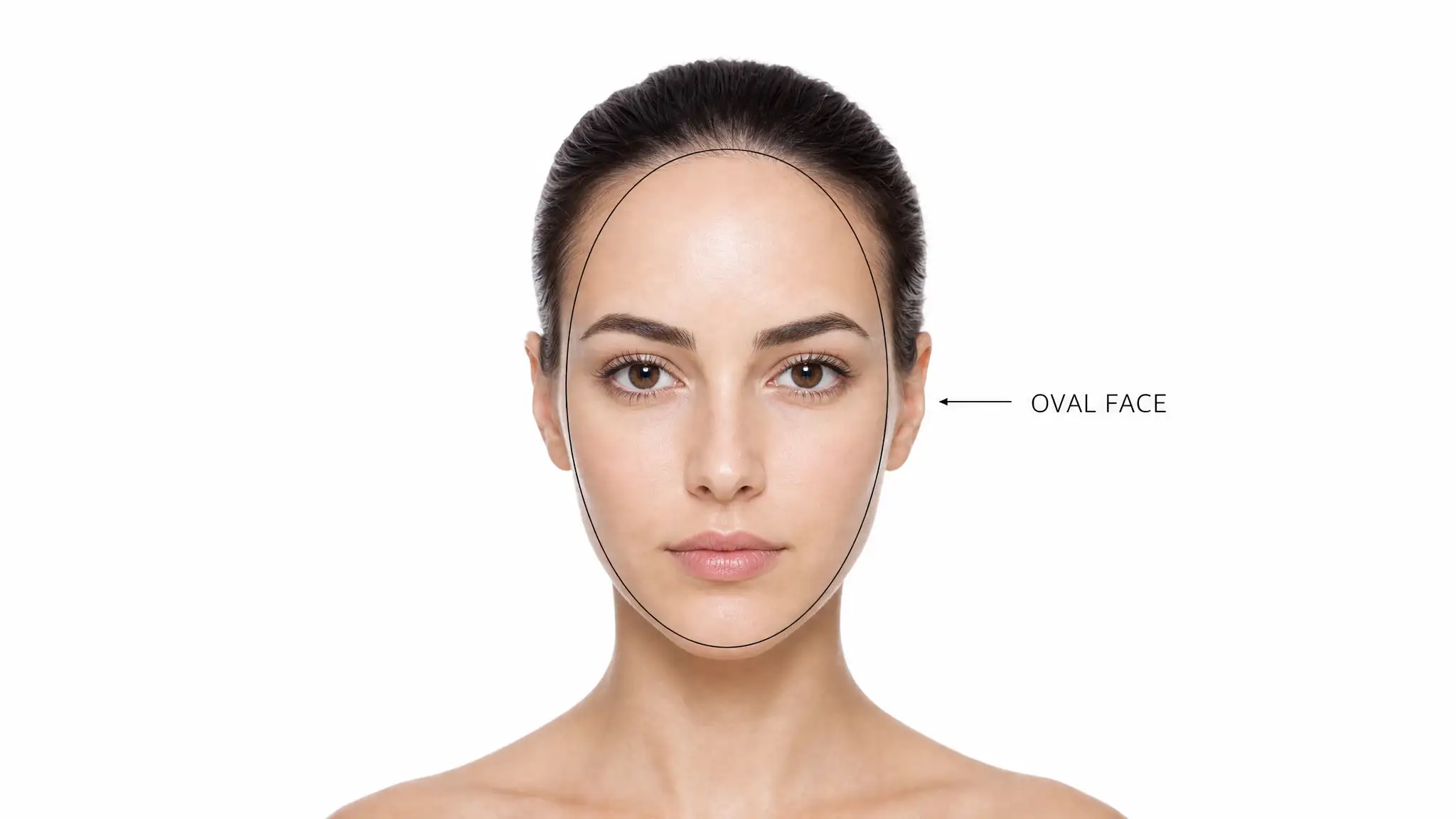
An oval face is slightly longer than it is wide, with a forehead that is a bit wider than the jaw and a softly rounded chin.
Oval: slightly longer than wide, with balanced proportions.
The proportions are generally even, with no single feature standing out too strongly. Because of this balance, oval is often used as a reference point when describing other face shapes. It's also considered the most common shape.
Celebrities with an oval face: Bella Hadid, Jessica Alba, Idris Elba, Justin Bieber.
How to style an oval face shape: Most styles work well here because the natural balance doesn't need much correction. The main thing to avoid is overly heavy fringes that shorten the appearance of the face and hide its proportions. When it comes to glasses, people with an oval face shape are in luck — any frame can work on these faces — choose based on personal style.
2. Round face shape
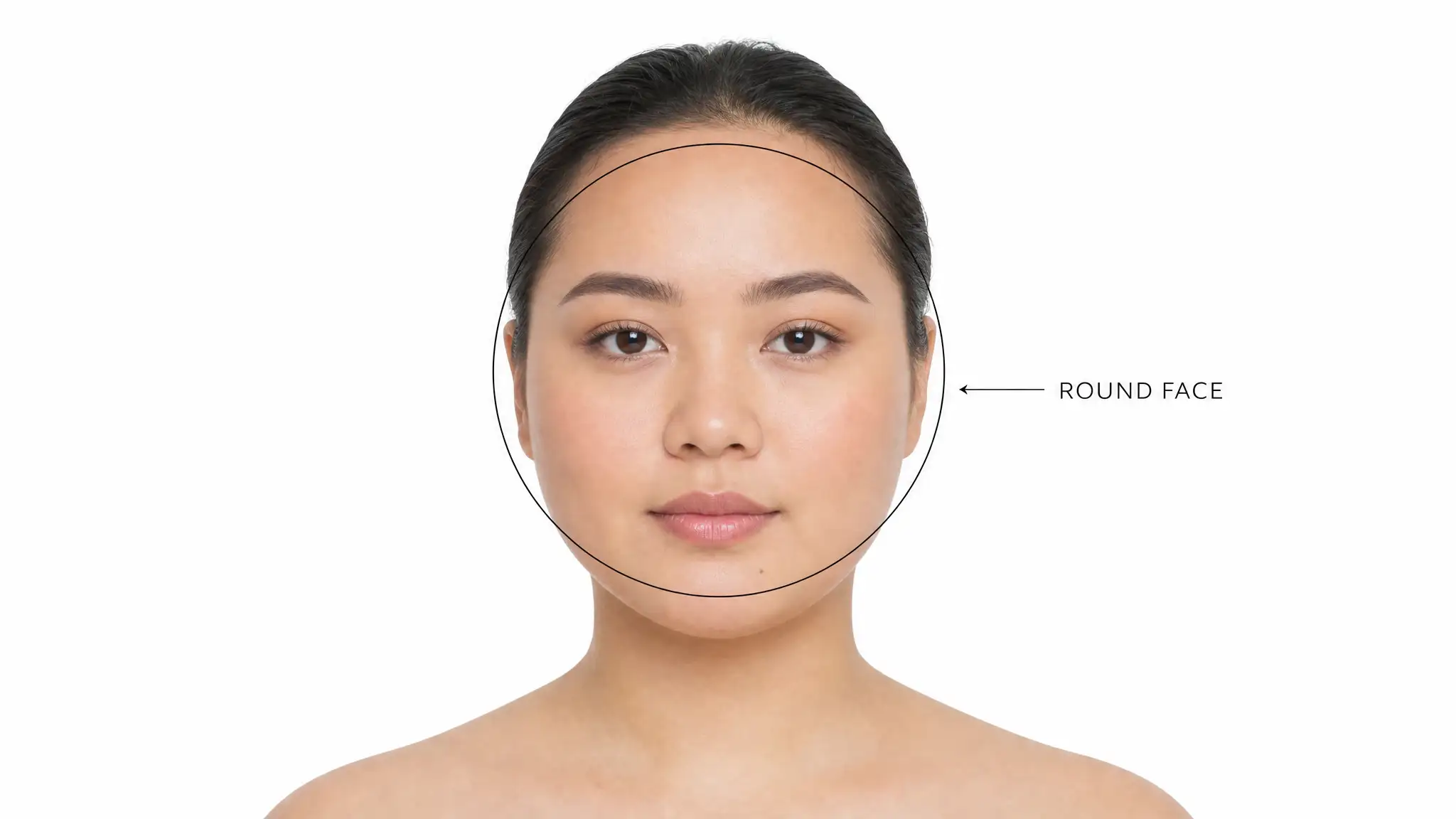
A round face has a similar length and width, with full cheeks, soft edges, and a rounded jawline. The widest point is usually around the cheeks.
Round: similar length and width, with soft edges.
Celebrities with a round face: Selena Gomez, Chrissy Teigen, Leonardo DiCaprio.
How to style a round face shape: The goal is usually to add definition and the illusion of length. This shape lacks right angles, so we'll want to introduce some. For hairstyles, create volume on top. For glasses, choose angular or rectangular frames that introduce some structure.
3. Square face shape
A square face is defined by a strong jawline, with the forehead, cheekbones, and jaw all fairly similar in width. The overall structure feels more angular than curved.
Square: equal widths with a strong, angular jawline.
Celebrities with a square face: Angelina Jolie, Brad Pitt, Demi Lovato, David Beckham.
How to style a square face shape: Wavy or layered hairstyles work as they reduce sharpness. When it comes to frames, go round or oval to balance a strong jawline. Softening the angles is key.
4. Heart face shape
A heart-shaped face is widest at the forehead and cheekbones, then narrows down to a smaller, more pointed chin.
Heart: wide forehead tapering to a pointed chin.
Celebrities with a heart face: Reese Witherspoon, Scarlett Johansson, Ryan Gosling.
How to style a heart face shape: The aim is to balance a wider upper face with the lower half. Flattering hairstyles include chin-length cuts and curtain bangs — all styles that add volume around the jaw area. Glasses that are lighter on top or bottom-heavy can also help even out proportions.
5. Diamond face shape
A diamond face has prominent cheekbones that are wider than the forehead and jaw. The chin is usually narrow and slightly pointed. It's also one of the rarer face shapes.
Diamond: widest at the cheekbones, with a narrow forehead and chin.
Celebrities with a diamond face: Jennifer Lopez, Scarlett Johansson, Johnny Depp.
How to style a diamond face shape: The focus is usually on balancing the width of the cheekbones by adding subtle width at the forehead and jaw. Side-swept bangs and soft, textured cuts help. For glasses, consider oval or gently curved frames.
6. Oblong face shape
An oblong face (sometimes called rectangular) is longer than it is wide, with similar widths across the forehead, cheeks, and jaw.
Oblong: longer than wide, with straight sides.
It has a more extended vertical structure compared to square faces.
Celebrities with an oblong face: Liv Tyler, Henry Cavill, Sarah Jessica Parker.
How to style an oblong face shape: The goal is to reduce the appearance of length and add width. In terms of hairstyles, volume at the sides, waves, or fringe elements can help shorten the face visually. When it comes to glasses, wider frames can bring better balance.
How to find your face shape
To measure your face accurately you'll need:
A mirror
A soft tape measure
A notebook or a piece of paper and a pen
How to prepare: keep the supplies handy and, when you're ready to measure, pull your hair back so the full outline of your face and hairline is visible. Follow the four steps below and record each measurement.
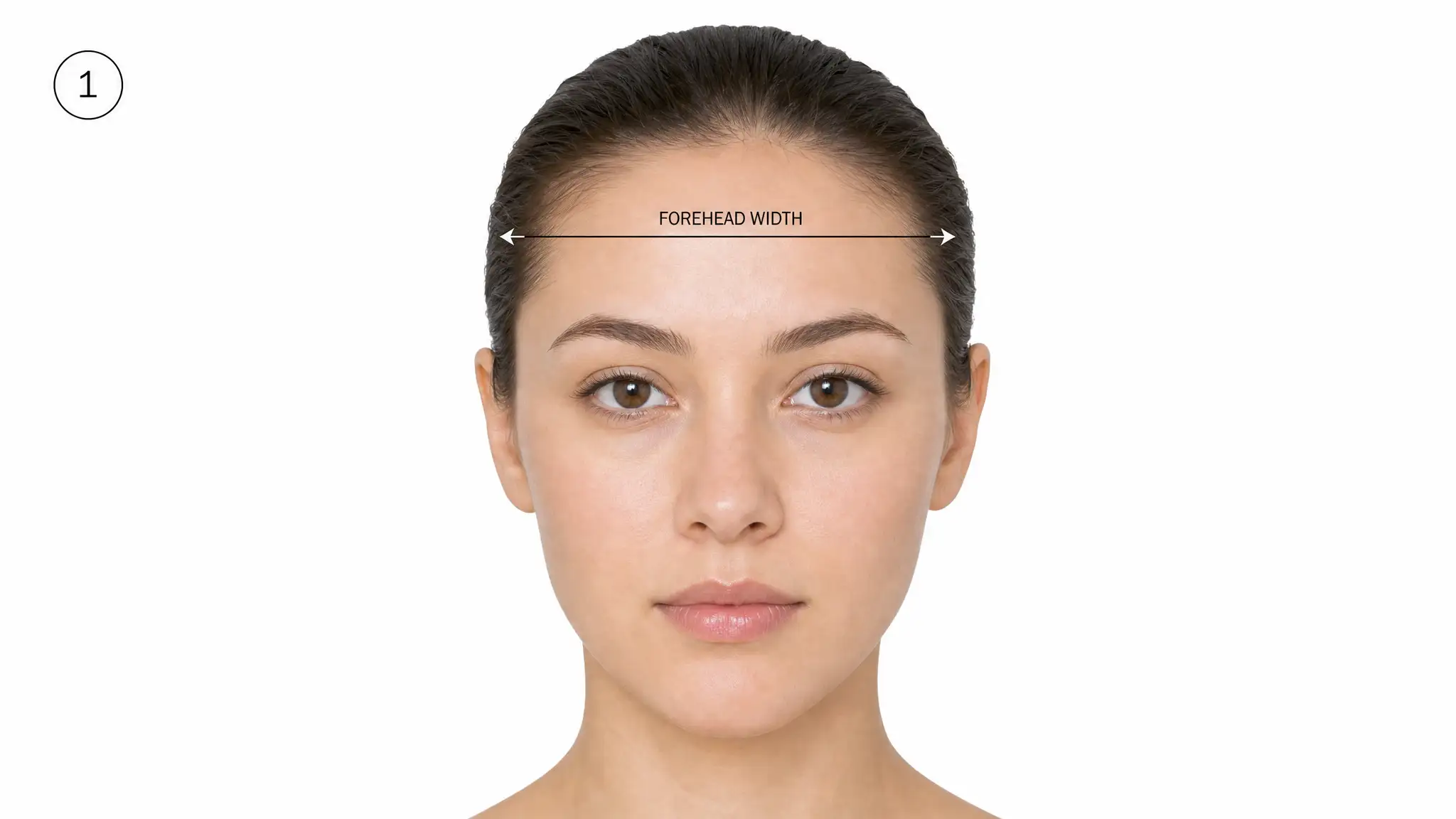
Step 1: Measure your forehead width
Measure across the widest part of your forehead, from one side of the hairline to the other.
Step 1: forehead width, hairline to hairline.
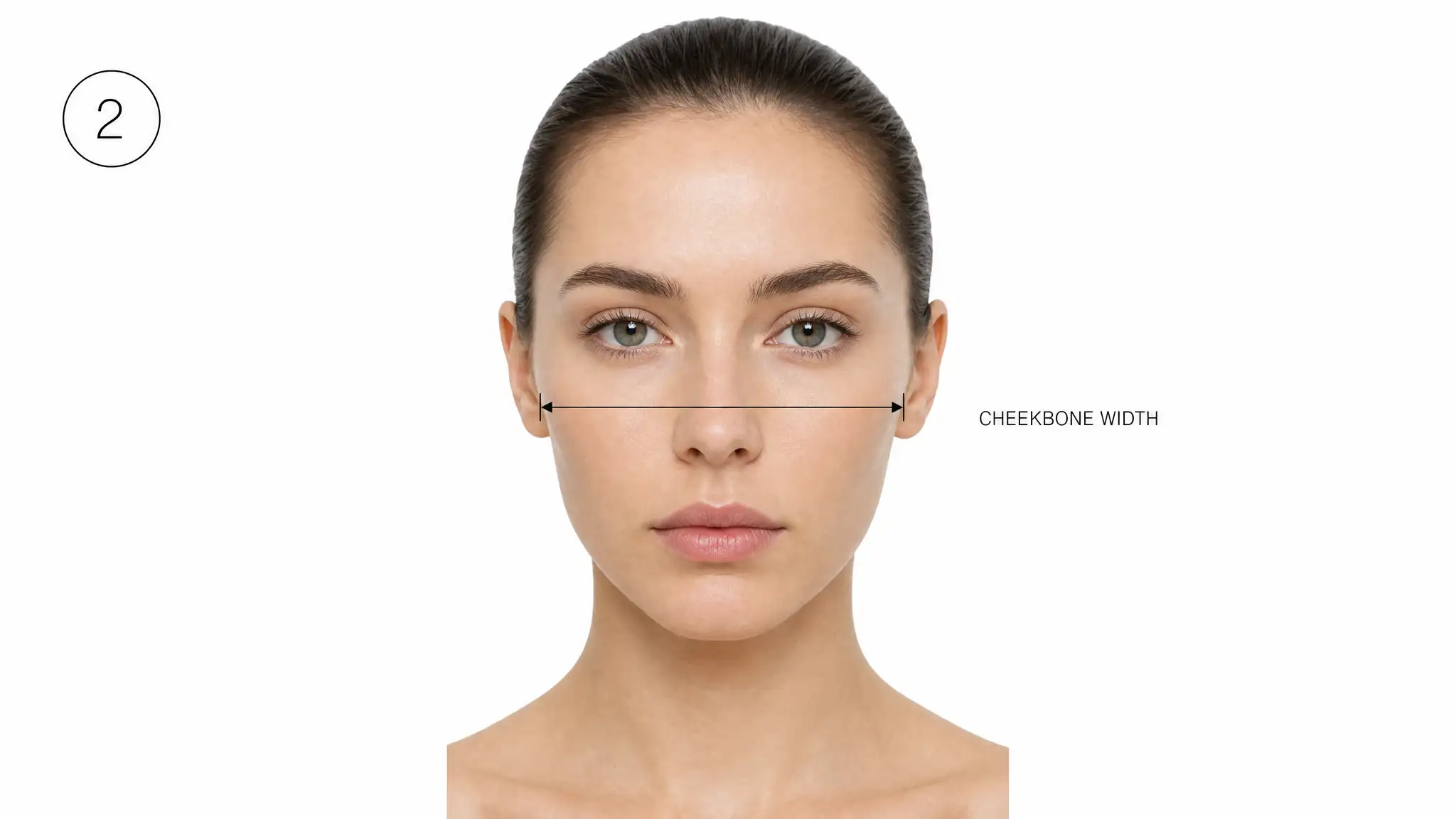
Step 2: Measure your cheekbone width
Measure across the most prominent part of your cheekbones. This is usually just below the outer corners of the eyes, from one cheekbone to the other.
Step 2: cheekbone width, below the outer corners of the eyes.
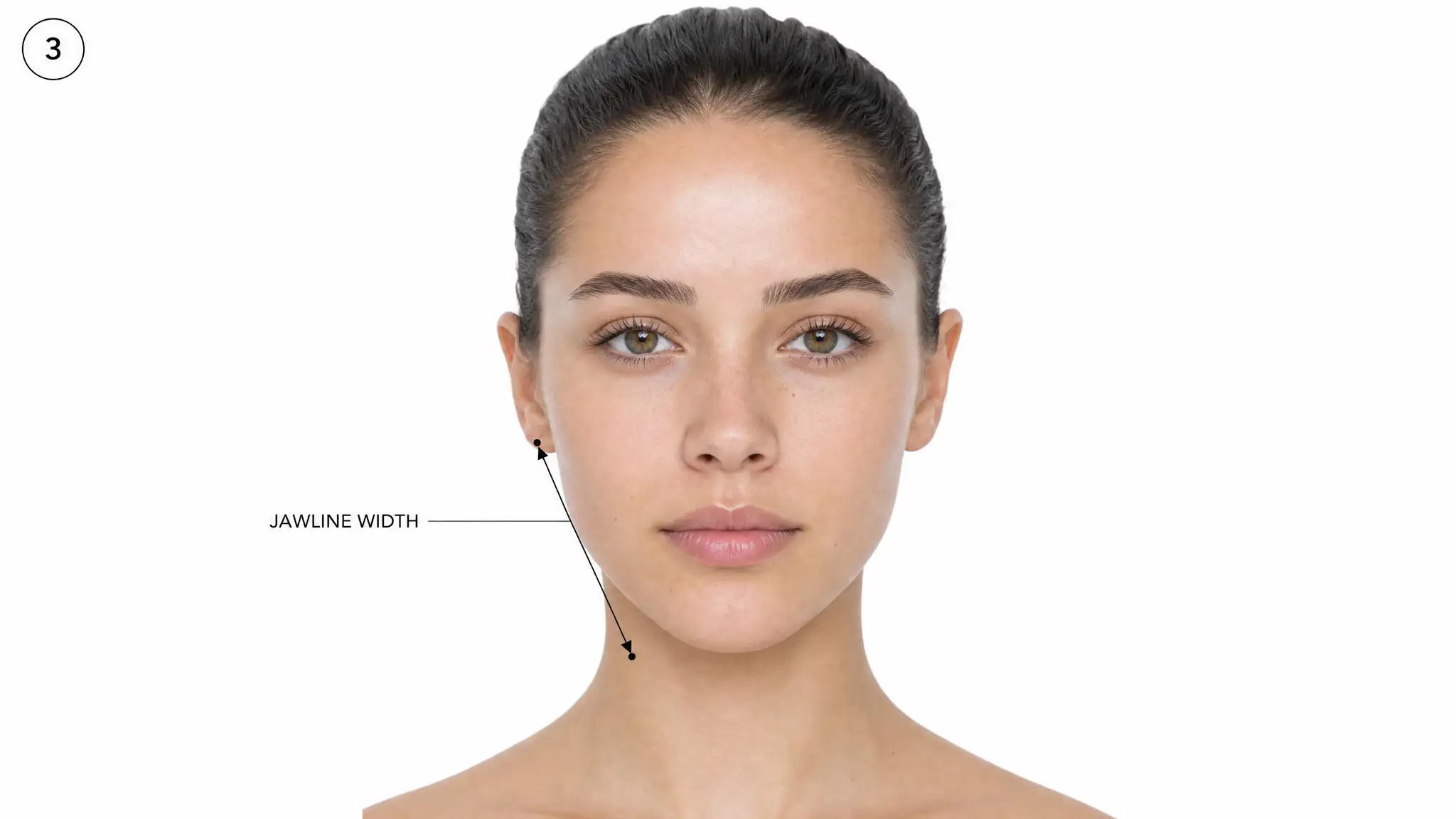
Step 3: Measure your jawline width
Start just below one ear and measure along the jaw to the center of the chin. Double that number to get the full jawline width.
Step 3: jawline width, ear to chin, doubled.
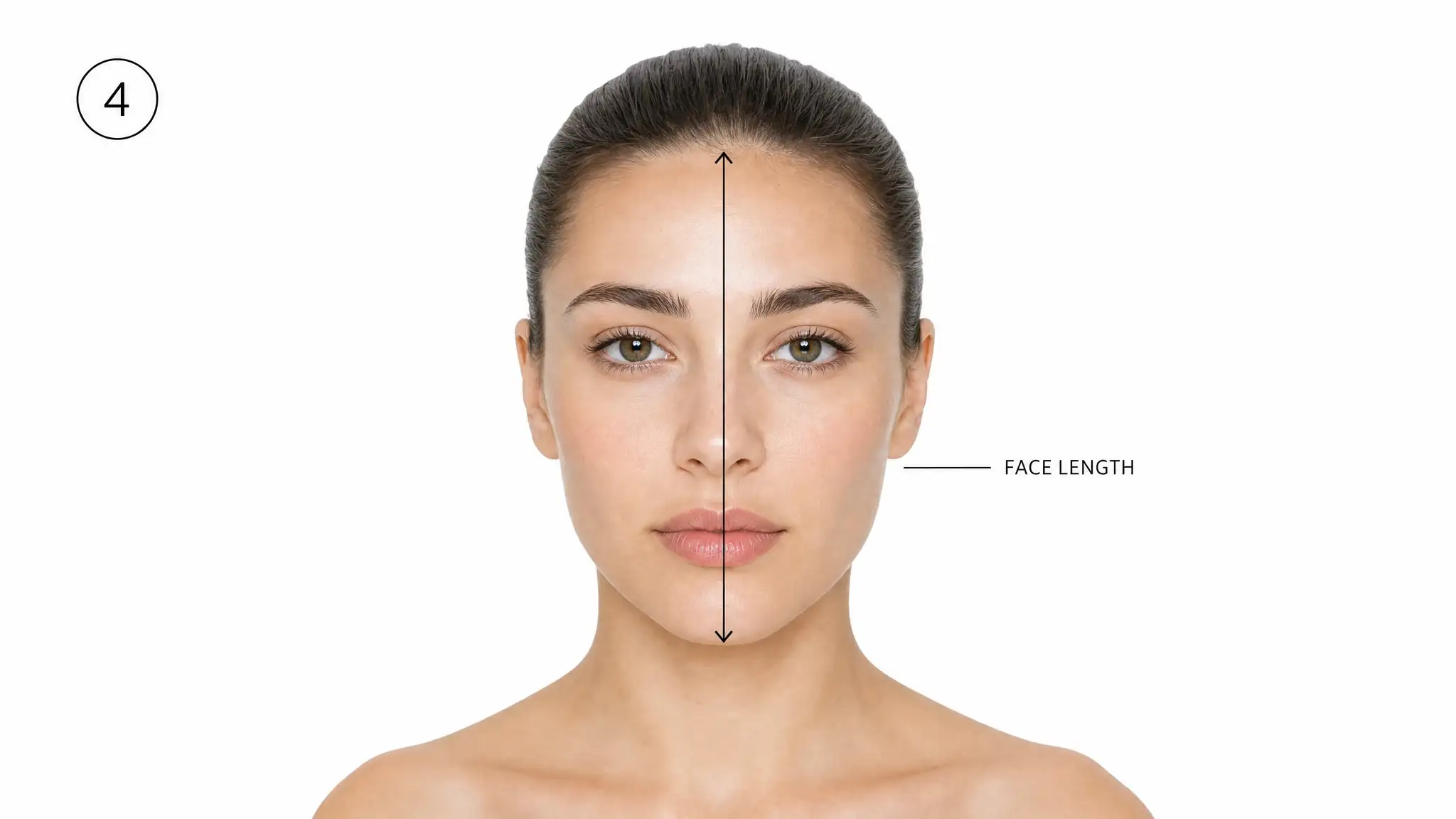
Step 4: Measure your face length
Measure in a straight line from the center of your hairline down to the tip of your chin.
Step 4: face length, hairline to chin.
Compare your measurements
Now look at the four numbers you wrote down, which will help you place yourself into one of the 6 categories:
Oval: Face length is the largest number. Forehead is slightly wider than the jawline.
Round: Face length and cheekbone width are very close. Both are bigger than forehead and jawline. Jawline is rounded.
Square: All three widths (forehead, cheekbones, jawline) are very similar. Jawline is strong and angular.
Heart: Forehead is the largest number. Jawline is the smallest. The numbers consistently decrease from top to bottom.
Diamond: Cheekbones are the largest number.
Oblong: Face length is clearly the largest number. The three width measurements (forehead, cheekbones, jawline) are fairly similar to each other.
If your measurements don't match a single category perfectly, that's completely normal. Many people have features that place them somewhere between two face shapes.
In these cases, pay close attention to your jawline, as it's often the feature that determines which category you lean toward.
A softer, more rounded jawline usually points toward an oval face
A sharper, more angular jawline usually points toward a diamond face
That said, this is where face shape analysis becomes a little less precise.
So what should you do if you're still unsure of your face shape after taking your measurements? This often happens when your features don't fit neatly into a single category, making it difficult to draw a clear conclusion.
The best alternative to measuring your face shape manually is to use an AI face shape detector. These tools analyze your facial proportions automatically and identify your face shape.
How to find your face shape with AI
An AI face shape detector is an online tool that identifies your face shape from a photo by analyzing facial proportions.
For example, with the Overchat AI Face Shape Detector, you can upload your selfie and receive an infographic showing your exact face shape.
AI face shape detectors use computer vision to identify the points along your hairline, cheekbones, jawline, and chin and assign the face shape based on the same four proportions you'd take by hand.
While an AI tool won't provide exact facial measurements down to the millimeter, it can be especially helpful when your face doesn't fit neatly into a single category. Because these models are trained on hundreds of thousands of facial images, they're often able to recognize patterns and subtle features that can make face shape classification more accurate.
The Face Shape Detector is part of Overchat AI, an all-in-one platform that includes more than 150 AI-powered image and video tools. These include:
An AI hairstyle changer
A virtual try-on
An AI selfie generator
An AI Looksmaxxing app
Overchat AI can help you experiment with different hairstyles, glasses frames, and looks virtually. In other words, once you've identified your face shape, you can immediately put what you've learned into practice and see how different styles might look on you before making any real-world changes.
How to detect your face shape accurately with AI
To measure your face shape accurately with AI, use a clear photo taken from a neutral angle. Different camera angles, lighting conditions, and facial expressions can affect how wide or narrow your face appears. This is especially true in photos, where wide-angle lenses and close-up shots can distort facial proportions.
To get the most accurate result, follow these guidelines when taking your picture:
Face the camera directly. A straight-on angle keeps both sides of the face symmetrical in the image.
Keep your head level. Tilting the head up or down changes the perceived face length, which can shift the result between oblong, oval, or round.
Pull hair fully away from the face. Hair covering the forehead or jawline can hide key landmarks the system uses for measurement.
Use soft, even lighting. Harsh shadows along the jaw or cheekbones can change how the outline is detected, especially in low-light or side-lit photos.
Keep a neutral expression. Smiling or tightening facial muscles can slightly change cheek width and jaw definition, which affects classification.
What to avoid
Wide-angle or front camera distortion. Phone selfie cameras often use wide lenses that stretch the center of the face and shrink the edges. This can make the nose and mid-face appear larger while narrowing the jaw and forehead.
Extreme close-up selfies. When the camera is too close, facial proportions become exaggerated.
Strong upward or downward angles. These angles compress or elongate the face, making it appear more round or more oblong than it actually is.
Tip: For the most accurate AI face shape detection, ask a friend to take your photo from about 3 meters (10 feet) away using your phone's Portrait mode. Portrait mode typically uses a focal length in the 50–90mm range, which minimizes perspective distortion (none of the features appear exaggerated or flattened out by the camera lens).
Face shape FAQ
Common questions about identifying and styling for your face shape.
What is the rarest face shape?
Diamond is the rarest of the six common face shapes, at roughly 5% of people. It needs a specific combination — cheekbones that are clearly the widest point, with both a narrower forehead and a narrow, pointed chin — which is why it shows up far less often than oval or round.
What is the most common face shape?
Oval is the most common face shape. Its balanced proportions, with the length slightly greater than the width and no single feature dominating, describe a large share of faces, which is why oval is often used as the reference point for the other shapes.
Can AI tell my face shape?
Yes. The Overchat AI face shape detector maps the landmarks on your face, measures your forehead, cheekbone, jawline, and length proportions, and matches them to the closest shape. On a clear, front-facing photo it's typically more consistent than measuring by hand, since it reads the same ratios the same way every time.
What's the difference between oval and oblong face shapes?
Both are longer than they are wide, but an oval face is only slightly longer and has a forehead a little broader than the jaw, while an oblong face is noticeably longer with the forehead, cheekbones, and jaw all close to the same width. Put simply, an oblong face is a longer, straighter-sided version of an oval.
Can your face shape change?
The bone structure that sets your face shape stays mostly fixed in adulthood, but weight changes can shift how it reads. Losing weight reduces fat in the cheeks and under the jaw, which sharpens the jawline and can make a round face look more oval. Age and skin elasticity affect the result too.
Do men and women have different face shapes?
The same six categories apply to everyone. Men's faces tend toward stronger, more angular jaws, so square and oblong shapes are more common, while the measuring method and the shapes themselves are identical regardless of gender.