Looksmaxxing Glossary: 100+ Terms Explained
Over 100 looksmaxxing terms explained, from mog and PSL tiers to canthal tilt and FWHR, with the reference ranges our face rating tools use.


Contents
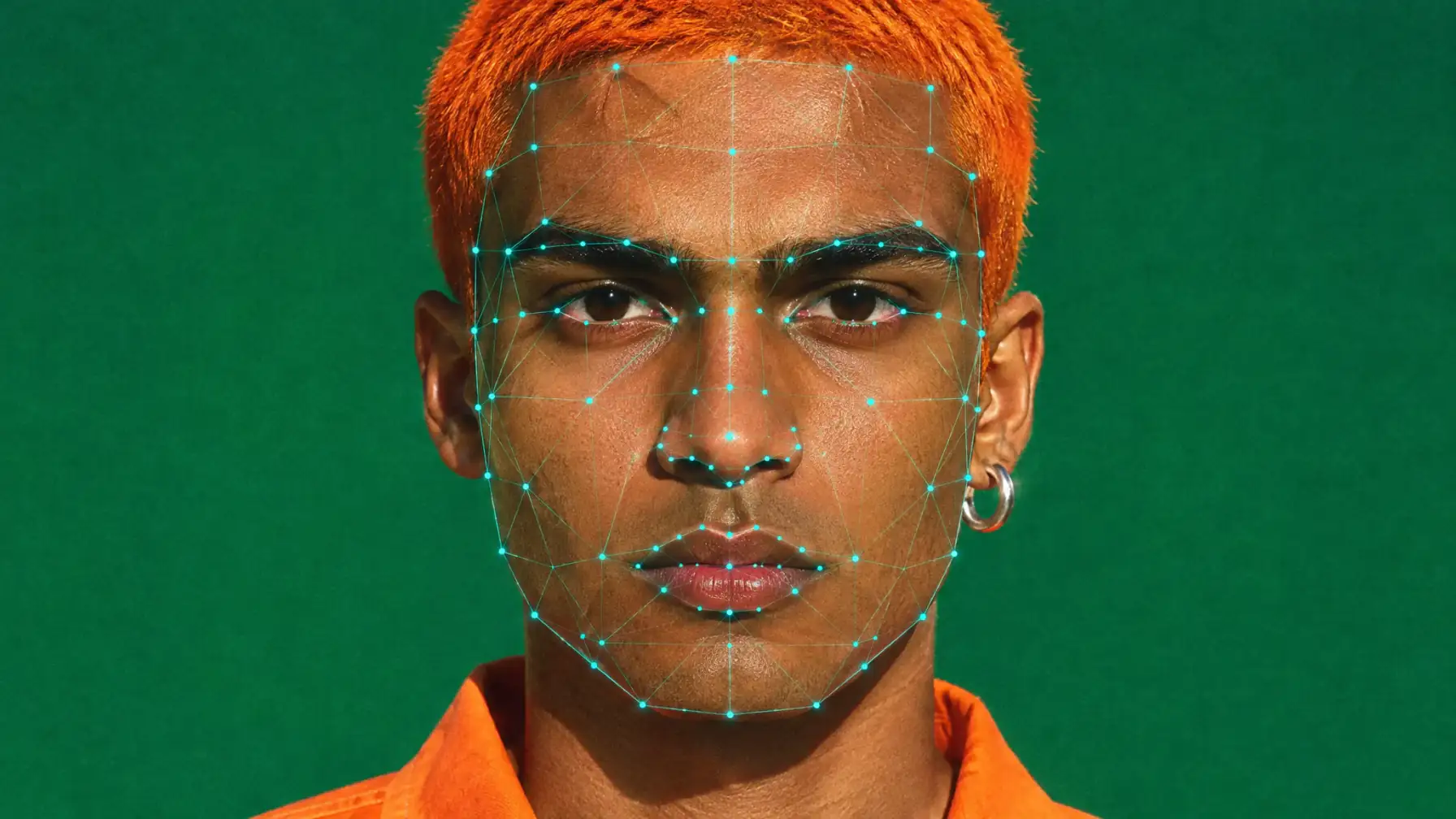
Looksmaxxing is full of terms that can be confusing if you're new to it. At Overchat AI, we offer several tools that analyze facial features, including Looksmaxing AI, Rate My Face, and a free Face Symmetry Test.
These tools use many of the words you'll come across in looksmaxxing forums and social media. That's why we put together this glossary of 100+ looksmaxxing terms.
Basic looksmaxxing terms
Softmaxxing vs hardmaxxing:
| Approach | Methods | Bone structure | Cost and risk |
|---|---|---|---|
| Softmaxxing | Skincare, haircuts and other non-invasive methods | Can't change it | Cheap and safe |
| Hardmaxxing | Surgery, injections, prescription drugs | Can change it | Risks and recovery time of medical treatment |
Looksmaxxing
Looksmaxxing (also spelled looksmaxing) is the practice of improving one's appearance as much as possible, from skincare and haircuts to cosmetic surgery. The word combines "looks" and "maxxing", short for maximizing, and today it is used mostly by young men who share their routines and results on TikTok and YouTube.
Softmaxxing
Softmaxxing means improving appearance with non-invasive methods that you can start at home, such as skincare or a new haircut. Softmaxxing cannot change bone structure, but most looksmaxxing plans start with it because it is cheap and safe.
Hardmaxxing
Hardmaxxing means changing appearance with surgery, injections or prescription drugs, for instance a nose job or jaw implants. Hardmaxxing can change bone structure, so people turn to it for features like a recessed chin or a narrow jaw. Each of these procedures carries the risks and recovery time of medical treatment.
-maxxing
The suffix -maxxing turns any area of life into something to maximize, and looksmaxxers use it to name the parts of their routine:
- Gymmaxxing is strength training for a bigger, more muscular frame.
- Heightmaxxing covers everything that makes a person look taller, from posture and shoe lifts to limb lengthening surgery.
- Sleepmaxxing is a sleep routine that reduces puffiness and dark circles under the eyes.
- Fraudmaxxing means looking better only in photos or for a short time, with makeup, filters or flattering camera angles.
Glow-up
A glow-up is a visible improvement in someone's appearance over time, usually shown as a pair of before and after photos. In looksmaxxing, a glow-up is the expected result of a softmaxxing routine, and progress photos taken in the same light and at the same angle are the usual way to track it.
Ascend
To ascend means to become noticeably more attractive after looksmaxxing, for example after losing weight or getting surgery. On incel forums, where the word comes from, ascending originally meant finding a partner, and looksmaxxers later began to use it for any big improvement in looks.
Lookism
Lookism is discrimination against people based on their appearance. The term comes from sociology, and the looksmaxxing community uses it for the idea that appearance decides how people are treated at work and in dating. Lookism is also the name of one of the forums where the PSL scale was created.
Looksmaxxing slang
The three mog terms differ in what gives one person the edge:
| Term | The edge comes from |
|---|---|
| Mog | Looks overall |
| Frame mog | Body size: broad shoulders and a wide chest |
| Height mog | Height |
Mog
To mog someone means to look noticeably better than them, so that the other person seems less attractive next to you. The word comes from AMOG ("alpha male of the group"), a term from pickup-artist forums, and it is used both as a verb ("he mogs everyone in the room") and as a noun, mogging. In Mog Battle, Overchat AI compares two faces feature by feature and shows which face mogs the other and on which feature the lead is the biggest.
Frame mog
A frame mog is mogging through body size, when broad shoulders and a wide chest make someone look bigger and more masculine than the people around them. A frame mog does not depend on the face, so a man with an average face can frame mog a better-looking man with a narrow build.
Height mog
A height mog is mogging through height, when a taller person makes the people next to them look smaller in photos and in person. The looksmaxxing community treats height as one of the hardest features to change, which is why heightmaxxing goes as far as limb lengthening surgery.
Halo
A halo is one standout feature, such as hunter eyes or a sharp jawline, that makes the whole face look more attractive. The term borrows from the halo effect, which psychologists Dion, Berscheid and Walster described in 1972 when people in their study assumed that attractive faces also belonged to kinder and more successful people. Overchat AI reports list halos as strengths.
Failo
A failo is one weak feature that pulls down the impression of an otherwise attractive face, for instance a recessed chin or a receding hairline. Failo is the opposite of a halo, and Overchat AI reports list failos as focus areas.
Looksmatch
A looksmatch is a partner who is about as attractive as you are. The idea is close to the matching hypothesis in social psychology, which predicts that people tend to choose partners of similar attractiveness.
Cope
Cope is a dismissive word for a belief or method that makes someone feel better about their looks without changing them. Looksmaxxers often call methods with no evidence behind them cope, and mewing to reshape an adult jaw is a common example.
It's over and we're so back
"It's over" and "we're so back" are catchphrases for despair and hope in the looksmaxxing community:
| Phrase | Mood | People say it after |
|---|---|---|
| "It's over" | Despair | A setback (a bad photo, a low rating) |
| "We're so back" | Hope | A good result |
The two phrases often appear together as a joke about the mood swings of looksmaxxing.
Blackpill
The blackpill is a fatalistic belief, common on incel forums, that genetics (above all the face and height) decide a person's success in dating and that self-improvement cannot change it. The name refers to the red pill from The Matrix, which became an internet symbol of accepting an unpleasant truth.
PSL scale and rating tiers
The PSL tiers, their score ranges and the share of people in each:
| Tier | PSL score | Share of people |
|---|---|---|
| Sub3 | 0–1.5 | About 1% |
| LTN | 1.5–3.5 | About 25% |
| MTN | 3.5–5.0 | About 50% |
| HTN | 5.0–6.0 | About 15% |
| Chadlite | 6.0–7.0 | About 5% |
| Chad | 7.0–8.5 | About 3% |
| GigaChad | 8.5 and above | About 0.1% |
PSL scale
The PSL scale is a looksmaxxing rating system that scores attractiveness from 0 to 10 and divides people into named tiers. The name stands for PUAHate, Sluthate and Lookism, the three forums where the scale appeared in the early 2010s. The PSL scale is stricter than the casual 1–10 rating, so a person most people would call a 6 is about a 4 on it.
Sub5 and Sub3
Sub5 and Sub3 are slang for people rated below 5 or below 3. Sub5 is used loosely for anyone below average, while Sub3 is the lowest PSL tier, from 0 to 1.5, which takes in about 1% of people.
Normie, LTN, MTN and HTN
A normie is a person of average looks, and the PSL scale splits normies into three tiers:
- LTN (low-tier normie) is PSL 1.5–3.5, about 25% of people.
- MTN (mid-tier normie) is PSL 3.5–5.0, about 50% of people.
- HTN (high-tier normie) is PSL 5.0–6.0, about 15% of people.
Chadlite
Chadlite is the PSL tier between a high-tier normie and a Chad, from 6.0 to 7.0, which takes in about 5% of people. On the casual scale, a Chadlite is an 8 out of 10.
Chad
Chad is slang for a very attractive man with a masculine face. On the PSL scale, Chad is the tier from 7.0 to 8.5, which takes in about 3% of people and equals a 9 out of 10 on the casual scale.
GigaChad
GigaChad is the top PSL tier, from 8.5 and above, which takes in about 0.1% of people. The name comes from a meme with stylized black-and-white photos of a man with an extremely sharp jaw, and it is used online as a symbol of ideal masculine looks.
Stacy and Becky
Stacy and Becky are the female names in the PSL tiers. A Stacy is a very attractive woman, the counterpart of a Chad, and a Becky is a woman of average looks, the counterpart of the normie tiers.
Facial proportion terms
The proportions in this section and what each one compares:
| Proportion | What it compares |
|---|---|
| Facial thirds | Three parts of the face height |
| Facial fifths | Five parts of the face width |
| Facial index | Face height and cheekbone width |
| Midface ratio | Midface height and the distance between the eyes |
| FWHR | Cheekbone width and upper face height |
Facial harmony
Facial harmony is how well the features of a face fit together in size and position. In Overchat AI, harmony is based on the facial thirds and fifths, the facial index and the overall balance of the face, and it carries the most weight in the overall score for both men and women.
Facial symmetry
Facial symmetry is how closely the left and right halves of the face match. Overchat AI measures it on nine pairs of landmarks mirrored across the midline of the face:
| Symmetry score | What it means |
|---|---|
| 95% and above | Excellent |
| 90–95% | Good |
| Below 90% | The difference between the halves becomes visible |
The Face Symmetry Test also shows which side of the face is stronger, and a small asymmetry is normal, since perfectly symmetrical faces are extremely rare.
Averageness
Averageness is how close a face is to the average face of its population. Langlois and Roggman (1990) found that composite faces blended from many photos were rated as more attractive than most of the individual faces they were made of, and averageness, symmetry and sexual dimorphism are now the three most studied signals of facial attractiveness.
Sexual dimorphism
Sexual dimorphism is the set of differences between male and female faces, and a dimorphic face shows the traits typical of its sex more strongly. Masculine traits include a wide jaw and a prominent brow ridge, while feminine traits include larger eyes and fuller lips. In Overchat AI reports, dimorphism is scored as the Masculinity or Femininity feature.
Facial thirds
Facial thirds divide the face height into three parts, from the hairline to the brows, from the brows to the base of the nose and from the base of the nose to the chin. In a balanced face, each third takes about a third of the height (0.33), and a third that is much longer than the others makes the face look out of balance.
Facial fifths
Facial fifths divide the width of the face into five equal parts, each about as wide as one eye. In a balanced face, each fifth takes about 20% of the width, so the eyes are one eye-width apart and the face is five eye-widths wide.
Facial index
The facial index is the ratio of face height to cheekbone width, which shows whether a face is long or wide:
| Facial index | The face looks |
|---|---|
| About 1.30 | Balanced |
| Above 1.45 | Long |
| Below 1.25 | Short or wide |
In the Looksmaxing AI report, this measurement is called Face length.
Midface ratio
The midface ratio compares the height of the middle of the face, from the eyes to the upper lip, with the distance between the eyes. A lower value means a compact midface, which looksmaxxers consider attractive, while a long midface makes the whole face look longer, especially in women.
FWHR (facial width-to-height ratio)
FWHR is the width of the face at the cheekbones divided by the height of the upper face, from the brows to the upper lip. A higher FWHR makes a face look wider and more masculine, and Overchat AI treats 1.90–2.10 as the norm for men and 1.75–1.90 for women. Carré and McCormick (2008) linked a high FWHR with aggressive behavior, but a later study of more than 130,000 people found no link between FWHR and self-reported behavior (Kosinski, 2017).
Golden ratio
The golden ratio (phi, about 1.618) is a proportion from mathematics that is often claimed to define a beautiful face, for example in the ratio of face length to face width. Studies have not confirmed this, and Pallett, Link and Lee (2010) found that faces looked most attractive when the distance between the eyes was about 46% of the face width and the distance from the eyes to the mouth about 36% of the face length.
The Golden Ratio Face Test shows how close the proportions of your face are to phi.
Face shape
Face shape is the overall outline of the face, usually described as one of several types such as oval or square. The shape depends on the length of the face and on how wide the jaw is compared with the cheekbones and the forehead, and it decides which haircuts and glasses suit a face best. The AI Face Shape Detector determines it from a photo.
Eye terms
The eye measurements in this section and what each one shows:
| Measurement | What it shows |
|---|---|
| Canthal tilt | Angle of the line between the eye corners |
| Eye spacing | Distance between the inner corners, in eye widths |
| Eye aspect ratio | Eye opening height divided by its width |
| Upper eyelid exposure | How much upper eyelid is visible |
| Scleral show | Visible white below or above the iris |
Canthal tilt
Canthal tilt is the angle of the line from the inner corner of the eye to the outer corner, measured against the horizontal. The tilt is positive when the outer corner sits higher. Overchat AI treats +2° to +6° as the norm for men and +4° to +8° for women, while a tilt of zero or below can make the eyes look tired. In the Looksmaxing AI report, canthal tilt is shown as Eye tilt.
Hunter eyes
Hunter eyes are deep-set, almond-shaped eyes with a positive canthal tilt and little visible upper eyelid, which give the face an intense, focused look. The looksmaxxing community considers hunter eyes one of the most attractive male features. In women, a similar look is called fox eyes or feline eyes, and the fox eye lift is a cosmetic procedure that raises the outer corners of the eyes.
Prey eyes
Prey eyes are rounder eyes with a neutral or negative canthal tilt and more visible eyelid or white of the eye, which make a face look softer and more innocent. In looksmaxxing, prey eyes are the opposite of hunter eyes and are usually counted as a weakness in men.
Eye spacing and IPD
Eye spacing is the distance between the inner corners of the eyes compared with the width of one eye:
| Eye spacing | The eyes are |
|---|---|
| About 1.0 | One eye-width apart |
| Above 1.15 | Wide-set |
| Below 0.9 | Close-set |
Looksmaxxers also use IPD (interpupillary distance), the distance between the centers of the pupils, to compare the spacing of the eyes with the width of the face.
Eye aspect ratio
The eye aspect ratio is the height of the eye opening divided by its width. A higher value means rounder, larger-looking eyes, and a lower value means narrower, almond-shaped eyes that are closer to hunter eyes.
Upper eyelid exposure (UEE)
Upper eyelid exposure is how much of the upper eyelid is visible between the lashes and the crease when the eyes are open. Low exposure is part of the hunter eyes look, while a lot of visible eyelid makes the eyes look rounder and more open.
Hunter eyes vs prey eyes:
| Trait | Hunter eyes | Prey eyes |
|---|---|---|
| Canthal tilt | Positive | Neutral or negative |
| Shape | Deep-set, almond-shaped | Rounder |
| Visible eyelid | Little upper eyelid | More eyelid or white of the eye |
| Look | Intense, focused | Softer, more innocent |
Scleral show
Scleral show is the visible white of the eye (the sclera) below or above the iris when a person looks straight ahead. Lower scleral show, a strip of white under the iris, often comes with a negative canthal tilt, and looksmaxxers treat it as a sign of prey eyes.
Brow ridge
The brow ridge (supraorbital ridge) is the bony ridge above the eyes, under the eyebrows. A prominent brow ridge makes the eyes look deeper-set and the face more masculine, which is why looksmaxxers often mention it together with hunter eyes.
Under-eye hollows
Under-eye hollows (tear troughs) are dips between the lower eyelid and the cheek that cast shadows and make a face look tired. They come from thin skin, loss of volume or the shape of the bone under the eyes, and the usual fixes range from more sleep to fillers.
Nose and lip terms
Three of these measurements have their own names in the Looksmaxing AI report:
| Measurement | What it measures | In the Looksmaxing AI report |
|---|---|---|
| Nasofrontal angle | Angle between forehead and nose bridge | Nose to forehead angle |
| Nasolabial angle | Angle between nose base and upper lip | Nose to lip angle |
| Lip ratio | Upper lip height to lower lip height | Upper to lower lip |
Nasal index
The nasal index is the width of the nose divided by its height and multiplied by 100. A lower value means a narrower nose, and in Overchat AI the nasal index is one of the inputs of the Nose harmony score, together with two angles measured in profile.
Nasofrontal angle
The nasofrontal angle is the angle between the forehead and the bridge of the nose, measured on a side photo. A smaller angle means a deeper dip between the forehead and the nose, and the reference range in Overchat AI reports is 115°–130°. In the Looksmaxing AI report, this angle is called Nose to forehead angle.
Nasolabial angle
The nasolabial angle is the angle between the base of the nose and the upper lip, measured on a side photo, and it shows whether the tip of the nose points up or down. The norm in Overchat AI reports is 90°–100° for men and 95°–110° for women, and the Looksmaxing AI report calls it Nose to lip angle.
Nasal dorsum
The nasal dorsum is the bridge of the nose seen in profile. Overchat AI measures whether the dorsum is straight or has a bump, where 0 means a straight bridge and positive values mean a dorsal hump, which rhinoplasty can remove.
Lip ratio
The lip ratio is the height of the upper lip divided by the height of the lower lip. In Overchat AI reports, a ratio of 0.50–0.66 is considered ideal, which means the lower lip is one and a half to two times as full as the upper lip, while a value below 0.45 indicates a thin upper lip. The Looksmaxing AI report shows this measurement as Upper to lower lip.
Mouth-to-nose ratio
The mouth-to-nose ratio is the width of the mouth divided by the width of the nose. A value of about 1.5 is considered balanced, which means the mouth is about one and a half times as wide as the nose.
Philtrum
The philtrum is the vertical groove between the base of the nose and the upper lip. A short philtrum is considered more attractive, especially in women, because it makes the lower third of the face look more compact and shows more of the upper lip, and a surgery called a lip lift shortens it.
Jaw, chin and cheekbone terms
In the Looksmaxing AI report, three of the jaw and chin measurements have shorter names:
| Measurement | What it measures | In the Looksmaxing AI report |
|---|---|---|
| Jaw-to-cheekbone ratio | Jaw width divided by cheekbone width | Jaw to cheekbones |
| Gonial angle | Angle at the corner of the jaw | Jaw angle |
| Mentolabial angle | Angle between the lower lip and the chin | Lip to chin angle |
Jawline
The jawline is the lower edge of the face, from the chin to the corners of the jaw below the ears. A sharp, defined jawline is one of the main goals in looksmaxxing, and its look depends on the shape of the jaw bone and on body fat, since a lean face shows the edge of the jaw more clearly.
Jaw-to-cheekbone ratio
The jaw-to-cheekbone ratio is the width of the jaw at its corners (bigonial width) divided by the width of the face at the cheekbones (bizygomatic width). Overchat AI treats 0.70–0.82 as the norm, where a lower value means a jaw that tapers toward the chin and looks more feminine, and a higher value means a wider, stronger jaw. In the Looksmaxing AI report, this ratio is called Jaw to cheekbones.
Gonial angle
The gonial angle is the angle at the corner of the jaw, between the back edge of the jaw and its lower edge, measured on a side photo. Overchat AI reports consider 120°–130° ideal, and an angle above 135° makes the jaw look soft and sloped. The Looksmaxing AI report shows it as Jaw angle.
Ramus
The ramus is the vertical part of the lower jaw that runs from the corner of the jaw up toward the ear. A long ramus makes the jaw look stronger and its corner more defined, which is why looksmaxxers often discuss ramus length together with the gonial angle.
Chin projection
Chin projection is how far the chin sits forward in profile compared with the lips and the rest of the face. Positive values in Overchat AI reports mean a projected chin and negative values a recessed one, which looksmaxxers also call a weak chin. A recessed chin can be corrected with a genioplasty or a chin implant.
Mentolabial angle
The mentolabial angle is the angle between the lower lip and the chin, measured on a side photo. A smaller angle means a deeper fold under the lower lip, and the ideal range is 120°–130°. In the Looksmaxing AI report, this angle is called Lip to chin angle.
Cheekbones (zygomatic bones)
Cheekbones (zygomatic bones, or zygos in looksmaxxing slang) are the bones that form the widest part of the face below the eyes. High, prominent cheekbones cast shadows below them that make the face look more sculpted, and in Overchat AI the Cheekbones score is based on FWHR and cheekbone prominence.
Buccal fat
Buccal fat is a pad of fat in the lower cheeks, between the cheekbones and the jaw. Less buccal fat gives hollow cheeks, which make the cheekbones and the jawline stand out, and buccal fat removal is a surgery some people choose for this look.
Side profile terms
What each side profile term describes:
| Term | What it describes |
|---|---|
| Facial convexity | How flat or curved the profile is |
| Forward growth | Upper jaw and chin position |
| Maxilla | The upper jaw bone |
| Forehead slope | Angle at which the forehead leans back |
Facial convexity
Facial convexity is the angle formed by the forehead, the base of the nose and the chin on a side photo, and it shows how flat or curved the profile is. Overchat AI treats 165°–175° as the norm, where a higher angle means a flatter profile and a lower angle means a convex profile, often with a recessed chin. In the Looksmaxing AI report, this angle is called Profile line.
Forward growth
Forward growth is the looksmaxxing term for a face whose upper jaw and chin sit well forward, which gives a straight profile and strong support for the cheeks. Orthotropics, the theory behind mewing, links a flat, recessed face to mouth breathing and poor tongue posture in childhood.
Maxilla
The maxilla is the upper jaw bone, which holds the upper teeth and forms the base of the cheeks, the nose and the under-eye area. A well-developed maxilla supports the middle of the face, so looksmaxxers treat it as the base of forward growth, and in adults it can be moved forward only with surgery.
Forehead slope
Forehead slope is the angle at which the forehead leans back in profile. Men usually have more sloped foreheads than women, partly because of a more prominent brow ridge, so a more upright forehead reads as more feminine.
Skin, hair and body terms
What each term in this section means:
| Term | What it means |
|---|---|
| Skin quality | How smooth and even the skin looks |
| Facial bloating | Puffiness from water retention |
| Leanmaxxing | Lowering body fat to show the bone structure |
| Hairline | Where the hair starts on the forehead |
| Norwood scale | Seven stages of male pattern baldness |
Skin quality
Skin quality is how smooth and even the skin looks in a photo, including signs such as acne or redness. Skin cannot be measured from landmarks, so Overchat AI scores it from the photo itself, and the AI Skin Analyzer gives a separate report on skin type and concerns.
Facial bloating
Facial bloating is puffiness of the face caused by water retention, usually after salty food or alcohol. Bloating hides the jawline and the cheekbones, and looksmaxxers reduce it with less salt and more sleep, which they call debloating.
Body fat and leanmaxxing
Body fat changes the face as well as the body, because fat in the cheeks and under the chin hides the bone structure. Looksmaxxers lower their body fat to make the jaw and cheekbones more visible, which they call leanmaxxing, and the potential score in Looksmaxing AI counts on this change for the jawline and cheekbones.
Debloating vs leanmaxxing:
| Fix | What it removes | How |
|---|---|---|
| Debloating | Puffiness from water retention | Less salt and more sleep |
| Leanmaxxing | Fat in the cheeks and under the chin | Lower body fat |
Hairline
The hairline is the line where the hair starts on the forehead. Its height and shape change the proportions of the upper third of the face, and Overchat AI judges the Hairline score from the photo, since hair cannot be measured from landmarks.
Norwood scale
The Norwood scale (Hamilton–Norwood scale) classifies male pattern baldness in seven stages, from no hair loss at Norwood 1 to hair left only on the sides and back of the head at Norwood 7. Looksmaxxers use it as shorthand for their hairline, so "NW2" means a slightly receding hairline at the temples.
Softmaxxing methods
The softmaxxing methods in this section and what each one works on:
| Method | What it works on |
|---|---|
| Skinmaxxing | Clear, even skin |
| Hairmaxxing | Haircut and early hair loss |
| Minoxidil | Hair and beard growth |
| Finasteride | Male pattern hair loss |
| Mewing | Jaw shape |
| Chewing | Masseter muscles |
| Posture | The jawline in photos |
| Grooming | Brows and beard |
Skinmaxxing
Skinmaxxing is a skincare routine aimed at clear, even skin. The basic routine includes daily sunscreen, which protects against UV damage (the main cause of visible skin aging), and a retinoid such as tretinoin, which speeds up skin renewal and helps with acne and fine lines (tretinoin needs a prescription in many countries).
Hairmaxxing
Hairmaxxing means choosing a haircut that suits your face shape and treating hair loss early. A haircut can make a long face look shorter or a narrow face look wider, and you can try different cuts on your own photo with an AI hairstyle changer before going to the barber.

Minoxidil
Minoxidil is a drug that stimulates hair growth, used for hair loss and by some men to grow a fuller beard. Topical minoxidil is sold without a prescription, while oral minoxidil needs one.
Finasteride
Finasteride is a prescription drug that slows male pattern hair loss by lowering DHT, the hormone that shrinks hair follicles. Finasteride can cause sexual side effects, so it is taken only under a doctor's supervision.
Three drugs compared:
| Drug | Used for | Prescription |
|---|---|---|
| Tretinoin | Acne and fine lines | Needed in many countries |
| Minoxidil | Hair loss, a fuller beard | Only for the oral form |
| Finasteride | Male pattern hair loss | Needed |
Mewing
Mewing is the practice of resting the whole tongue against the roof of the mouth with the lips closed, which its followers believe reshapes the jaw over time. The technique is named after orthodontists John Mew and his son Mike Mew, who promoted it as part of orthotropics, and there is no strong scientific evidence that mewing changes the bone structure of adults.
Chewing
Chewing in looksmaxxing means chewing hard gum, such as mastic gum, or using silicone jaw exercisers to build up the masseter muscles at the corners of the jaw. Bigger masseters can make the lower face look wider, but too much chewing can strain the jaw joint.
Mewing vs chewing:
| Method | Meant to | Catch |
|---|---|---|
| Mewing | Reshape the jaw over time | No strong evidence it changes adult bones |
| Chewing | Build up the masseter muscles | Too much can strain the jaw joint |
Posture
Posture affects how the face and the jaw look in photos, because a forward head position softens the jawline and creates a double chin. Looksmaxxers work on neck posture with exercises such as chin tucks.
Grooming
Grooming covers eyebrow shaping, beard care and other small changes that make the face look neater. A beard can hide a weak chin or make a narrow jaw look wider, and you can see how different beard styles suit your face with an AI beard try-on.
Hardmaxxing procedures
The procedures in this section and what each one changes:
| Procedure | What it changes |
|---|---|
| Rhinoplasty | Shape or size of the nose |
| Genioplasty | Chin position and projection |
| Jaw implants | Width and corners of the jaw |
| Double jaw surgery | Position of both jaws and the bite |
| Canthoplasty | Outer corner of the eye |
| Fillers | Volume of the lips, chin or under-eyes |
| Hair transplant | Hair loss at the hairline and crown |
| Limb lengthening | Height, by up to about 8 cm |
Morph
A morph is an edited photo that shows how a face would look after a change such as a nose job or a stronger jaw. Looksmaxxers make morphs to plan a surgery or to see their potential, and an AI plastic surgery simulator creates one from a regular photo.

Rhinoplasty
Rhinoplasty (a nose job) is surgery that changes the shape or size of the nose, for instance to remove a dorsal hump or to lift the tip. It is one of the most common cosmetic surgeries, and the swelling after it can take up to a year to go down completely.
Genioplasty
Genioplasty is chin surgery that either moves the chin bone forward, down or to the side (sliding genioplasty) or adds a chin implant. It corrects a recessed chin and changes the balance of the whole side profile.
Jaw implants
Jaw implants are silicone or custom 3D-printed implants placed along the jaw bone to make the jaw wider and its corners sharper. Custom implants are designed from a CT scan of the patient's skull, so they fit the bone more closely than standard sizes.
Double jaw surgery
Double jaw surgery (bimaxillary surgery) moves both jaws, usually with a LeFort I osteotomy for the upper jaw and a BSSO (bilateral sagittal split osteotomy) for the lower jaw. Surgeons use it to correct the bite, and looksmaxxers discuss it as the main way to improve forward growth in adults.
Canthoplasty
Canthoplasty is eyelid surgery that changes the position of the outer corner of the eye, and in looksmaxxing it is used to create a more positive canthal tilt. It is a delicate procedure, and complications can change the shape of the eye permanently.
Fillers
Fillers are injections, usually of hyaluronic acid, that add volume to areas such as the lips or the chin, or fill under-eye hollows. Hyaluronic acid fillers last from several months to about two years and can be dissolved, so some people use them to test a change before surgery.

Hair transplant
A hair transplant moves hair follicles from the back of the head to areas with hair loss, usually the hairline and the crown. The most common method today is FUE (follicular unit extraction), which takes follicles one by one and leaves small dot scars instead of a long linear one.
Limb lengthening
Limb lengthening is surgery that cuts the thigh or shin bones and slowly pulls them apart with an internal nail, adding up to about 8 cm (3 inches) of height. It takes months of recovery and physical therapy, and looksmaxxers treat it as the last resort of heightmaxxing.
Bonesmashing
Bonesmashing is the practice of hitting the face with a hammer or another hard object, based on the belief that tiny fractures make the bones grow back larger. Bonesmashing has no medical basis and can cause fractures, nerve damage and permanent asymmetry.
FAQ
Short answers to common questions about looksmaxxing terms.
Most looksmaxxing slang, including PSL, Chad and the blackpill, comes from incel and looksmaxxing forums of the 2010s such as PUAHate and Lookism. The measurements, such as canthal tilt or the gonial angle, come from facial anthropometry and plastic surgery, where doctors have used them for decades. In the 2020s, TikTok spread words like mogging and mewing far beyond the forums.
Symmetry, averageness and sexual dimorphism are the attractiveness signals with the strongest research behind them, and facial angles and ratios have clinical norms from anthropometry. Hunter eyes, PSL tiers and mogging are community ideas without studies behind them, and there is no evidence that mewing or bonesmashing change bone structure in adults. People also agree on only about half of what they find attractive, while the other half is personal taste (Hönekopp, 2006).
You can measure them by uploading a photo to Looksmaxing AI or Rate My Face. Both tools find 478 landmarks on the face, calculate the ratios and angles from them and show each measurement next to its reference range, and a side photo adds the profile angles of the nose, lips and jaw.
You can find all of these tools on our Face Rating page. We also publish the formulas and research behind their scores in our methodology.