Everybody on the internet is talking about how great the Kling 3 video generator is — and for good reason. But one thing many people have missed is that when Kuaishou released the Kling 3.0 suite of AI models on February 4, 2026, they also updated their image generation models.
Enter Kling Image 3.0 Omni.
This is a native 4K AI image generator that produces print-ready visuals without the need for upscaling. In this article, we’ll test the image side of Kling 3.0 to see whether it’s the most practical image generator for creators. Let’s get started.
Kling Image 3.0 is Kuaishou's new image generator, with Image 3.0 Omni as the flagship — outputs native 2K and 4K without upscaling, sharp enough for print.
Uses Visual Chain-of-Thought reasoning (same tech as Kling 3 video) to reason about object relationships before generating, producing noticeably more realistic images.
Supports 7 aspect ratios, up to 3 reference images, and a Series Mode for generating coherent multi-panel sequences from a single prompt.
Strengths: punchy contrast, cinematic composition, realistic reflections, and well-rendered textures — reminiscent of iPhone photography done right.
Weaknesses: struggles with longer text (typos appear often), so skip it for text-heavy designs.
vs Nano Banana Pro: Nano Banana still leads on conversational editing, near-flawless text rendering, and its natural cinematic film-like look. Kling Image 3.0 wins on vibrant, punchy output.
vs Grok Imagine: Kling wins on resolution (native 4K vs lower caps), making it better for print-ready work.
Access via Overchat AI (free to try), Kling's web app, or the API.
What Is Kling Image 3.0?
Kling Image 3.0 is the image generation component of Kuaishou's 3.0 model family. It comes in two variants:
Image 3.0
Image 3.0 Omni.
The Omni version being the flagship. This model is notable for generating images directly at 2K and 4K resolution without upscaling, making its output sharp enough even for printing.
Key Features of Kling Image 3.0 Omni
Let’s cover the main features, because, on paper, this model has strong fundamental capabilities:
Visual Chain-of-Thought reasoning
The same technology used in Kling 3 on the video side is applied here as well — the model can internally reason about the visuals it’s generating. During this process, the AI develops a deeper understanding of the relationships between objects, their movement, and their interactions.
This isn’t something you can see happening — unlike the visible reasoning in some text-generation models — but it results in images that feel noticeably more realistic than those produced by models without chain-of-thought reasoning.
Native 4K Resolution
The model can output images directly in 4K without upsampling. Native 4K outputs look very crisp, with great edge clarity and details.
Seven Aspect Ratio Options
Choose between:
1:1
2:3
3:2
3:4
4:3
16:9
9:16
Multi-Image Reference
Upload up to three reference images at once. The model analyzes and integrates visual traits from all of them, then generates new images that maintain consistency across the elements you've specified.
Series Mode
Generate coherent image sequences while maintaining reference image characteristics. This enables multi-panel storyboard creation from single prompts — useful for comic strips, product sequences, or visual narratives.
How does Kling 3.0 perform in the real world?
I gave the model a range of prompts to see how it handles different scenarios — and here’s what I found.
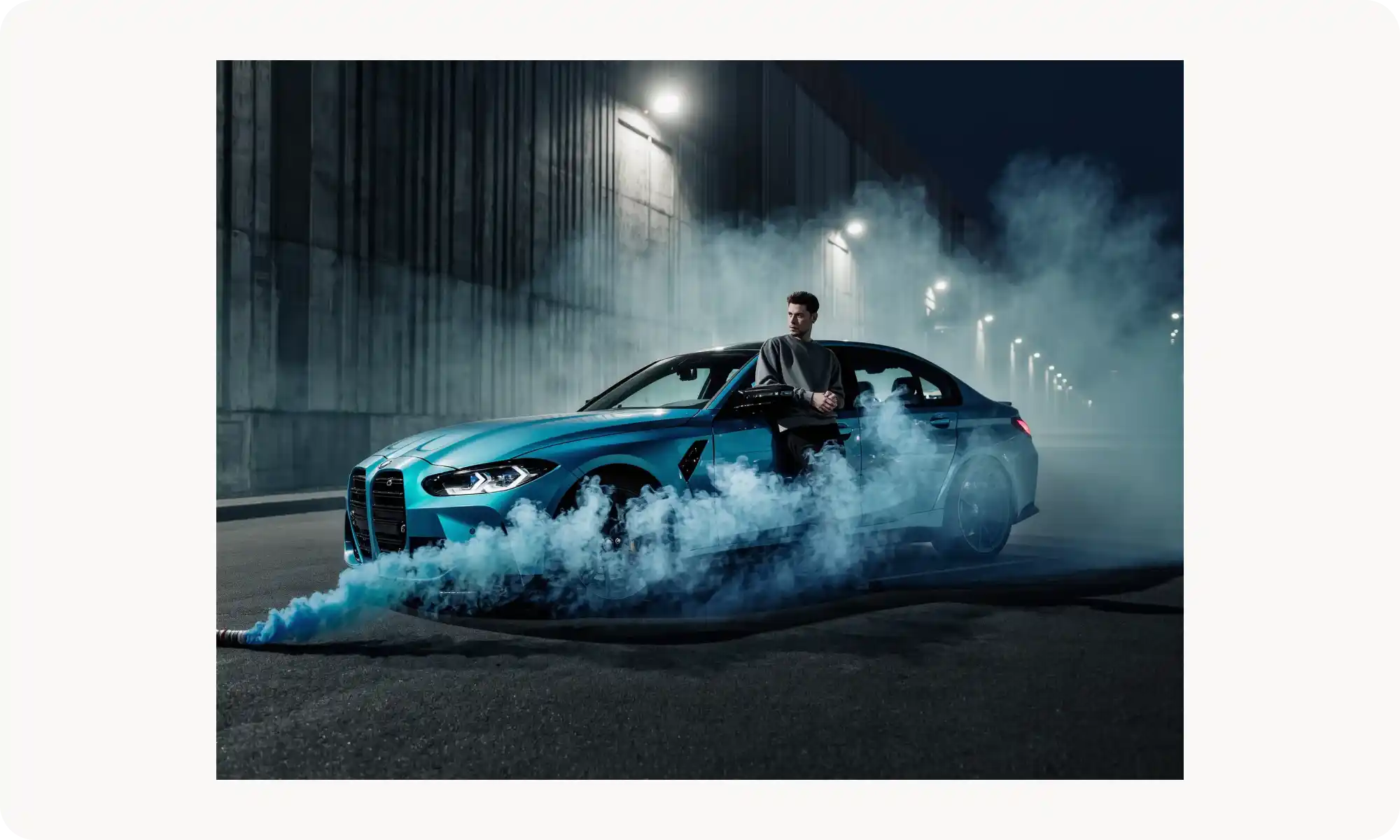
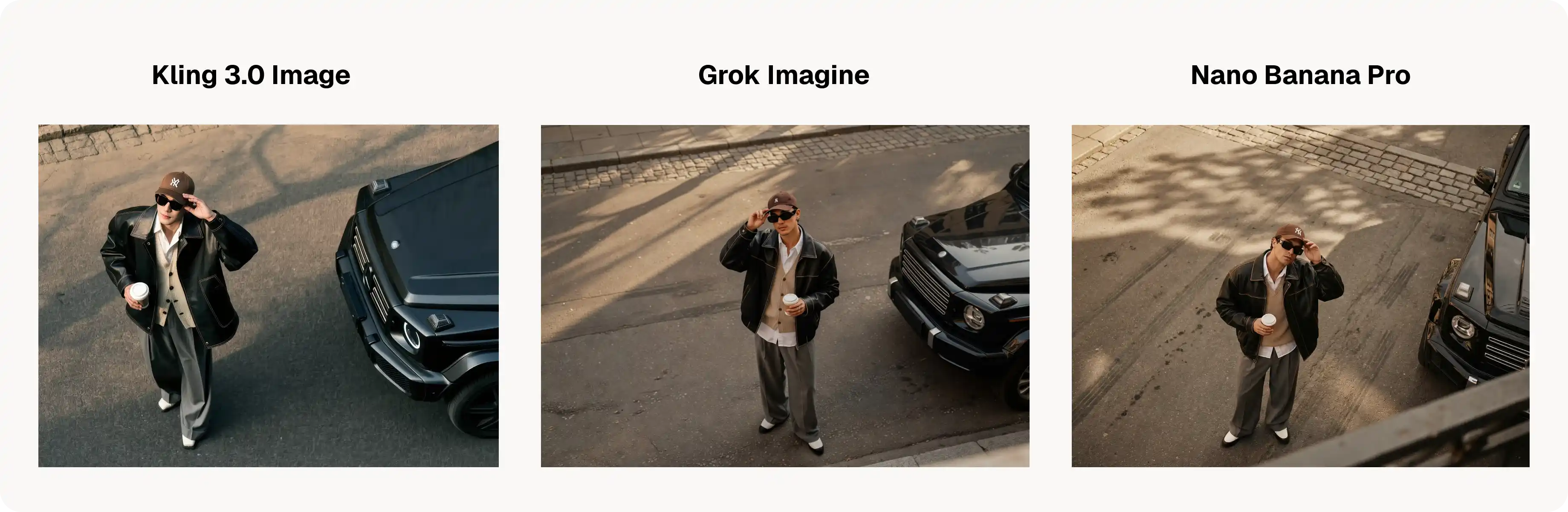
Kling 3.0 Image has very nice contrast. In the poster below, the car really pops, with beautiful, realistic reflections. The image looks professionally graded. Some other models tend to produce flatter visuals unless you describe the lighting in great detail.
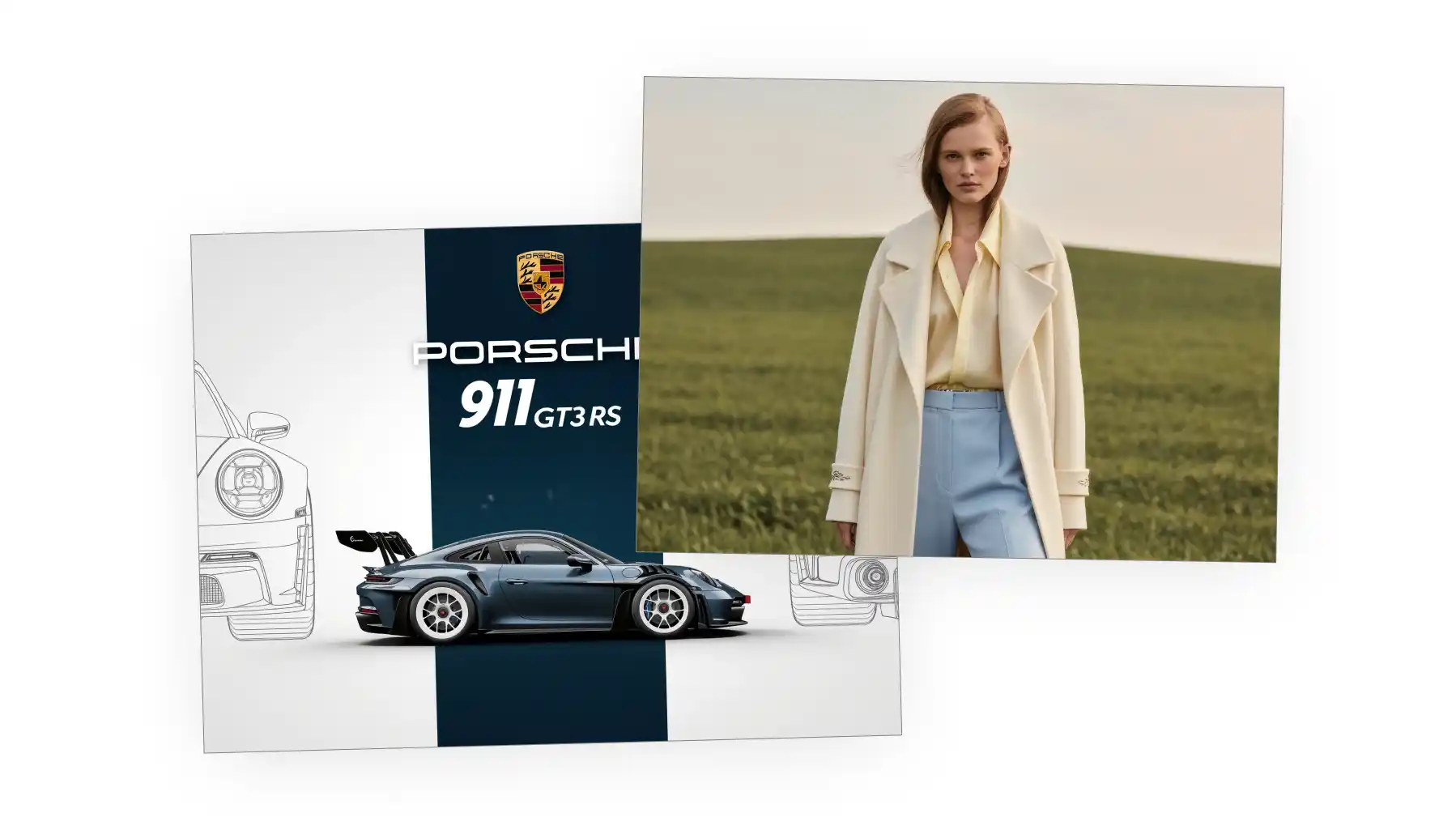
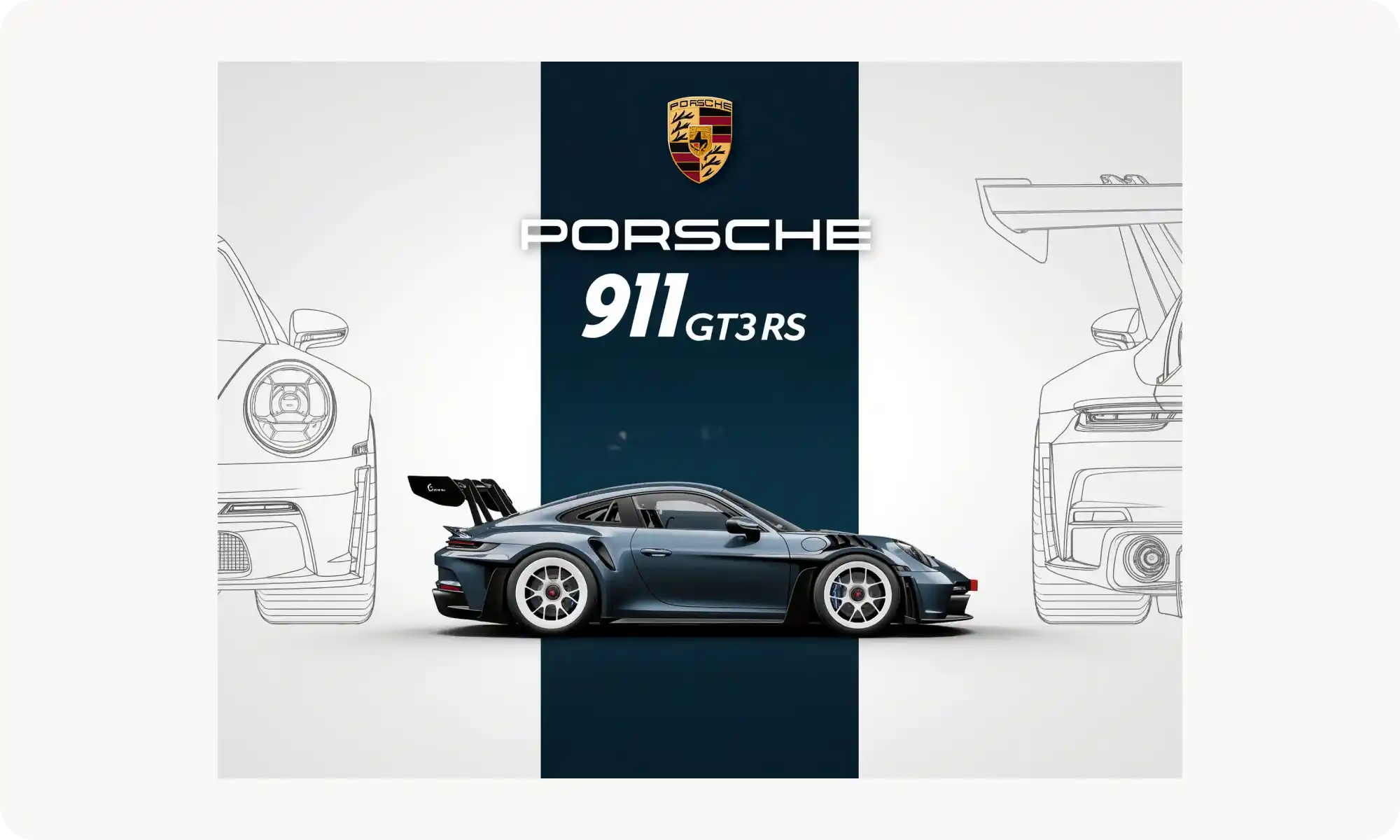
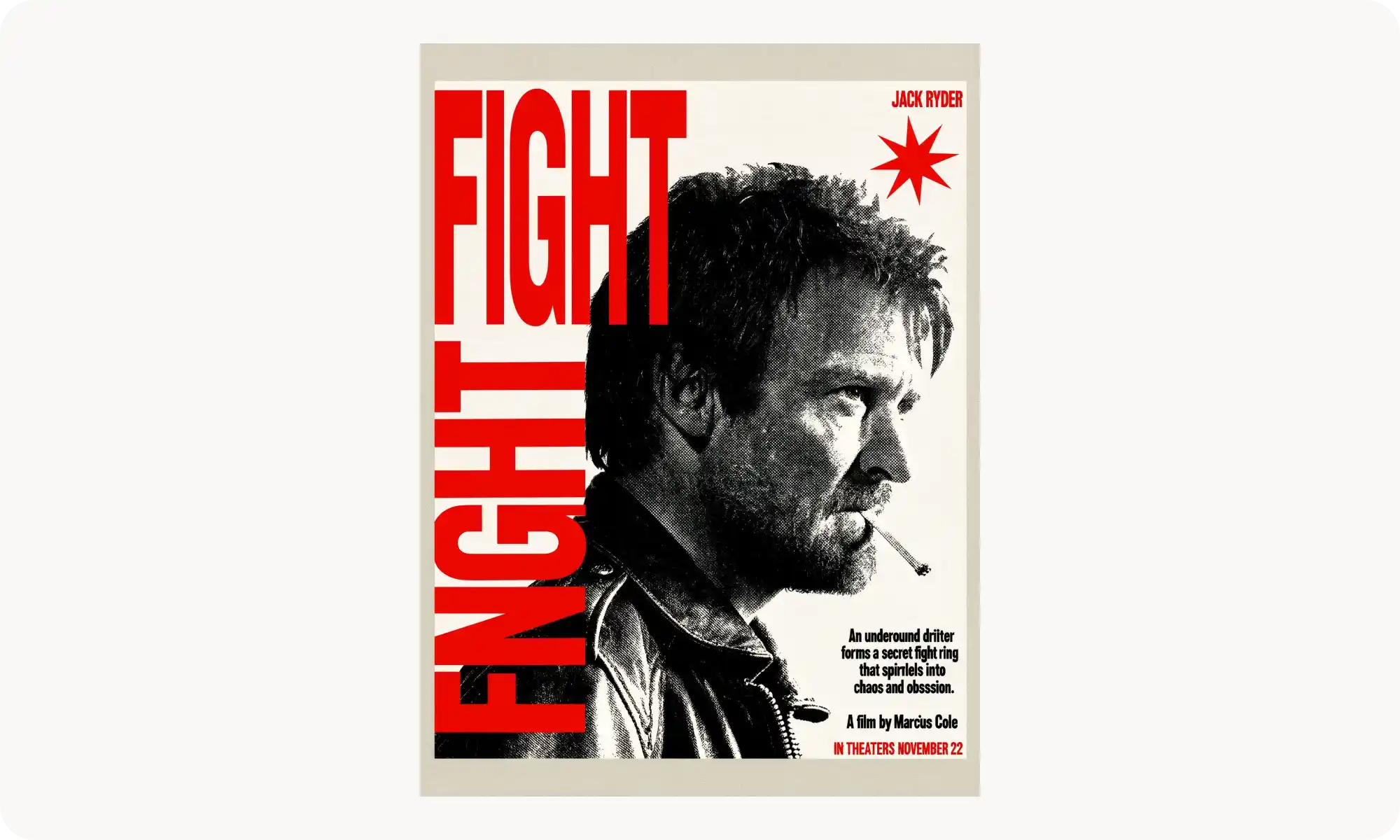
Kling 3.0 creates interesting compositions. I asked it to design a movie poster, and the result genuinely surprised me. The layout feels bold and intentional, with a dynamic sense of scale. The texture on the man’s face is beautifully rendered as well.
On the downside, it does struggle with longer text — there are quite a few typos. So it’s probably not the best choice for text-heavy images. That said, it handles short bits of text just fine, as you can see in the menu example below.
Kling Image 3.0 vs. Other AI Image Generators
Here’s how Kling 3 compares to Nano Banana Pro and Grok Imagine — one being the best AI image generator overall, and the other being a new release from xAI.
Kling Image 3.0 vs. Nano Banana Pro
By AI standards, Nano Banana Pro is already starting to become old — things move at lightning speed in this space. Even so, it’s still the best AI image generator in my opinion, and here’s why.
On paper, the models are fairly evenly matched. Banana Pro generates native 4K images, for example, and supports the same range of aspect ratios.
Where Nano Banana Pro really pulls ahead of Kling 3 is in two areas:
Conversational editing. You can upload an image, describe the changes you want in plain English, and refine the result over multiple turns. It feels fluid and intuitive.\
Text rendering. Nano Banana 3 can generate entire pages of text almost flawlessly — something most image models still struggle with.
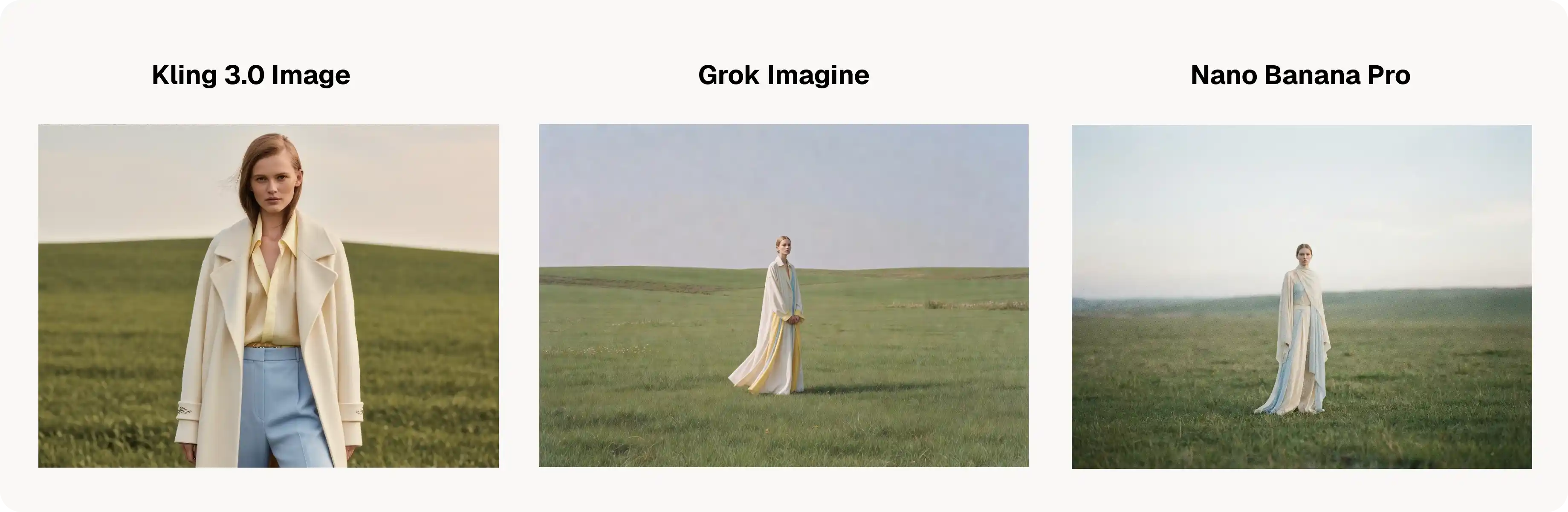
I also think Nano Banana 2 has a distinct cinematic, film-like quality that other models struggle to replicate — Kling 3.0 included.
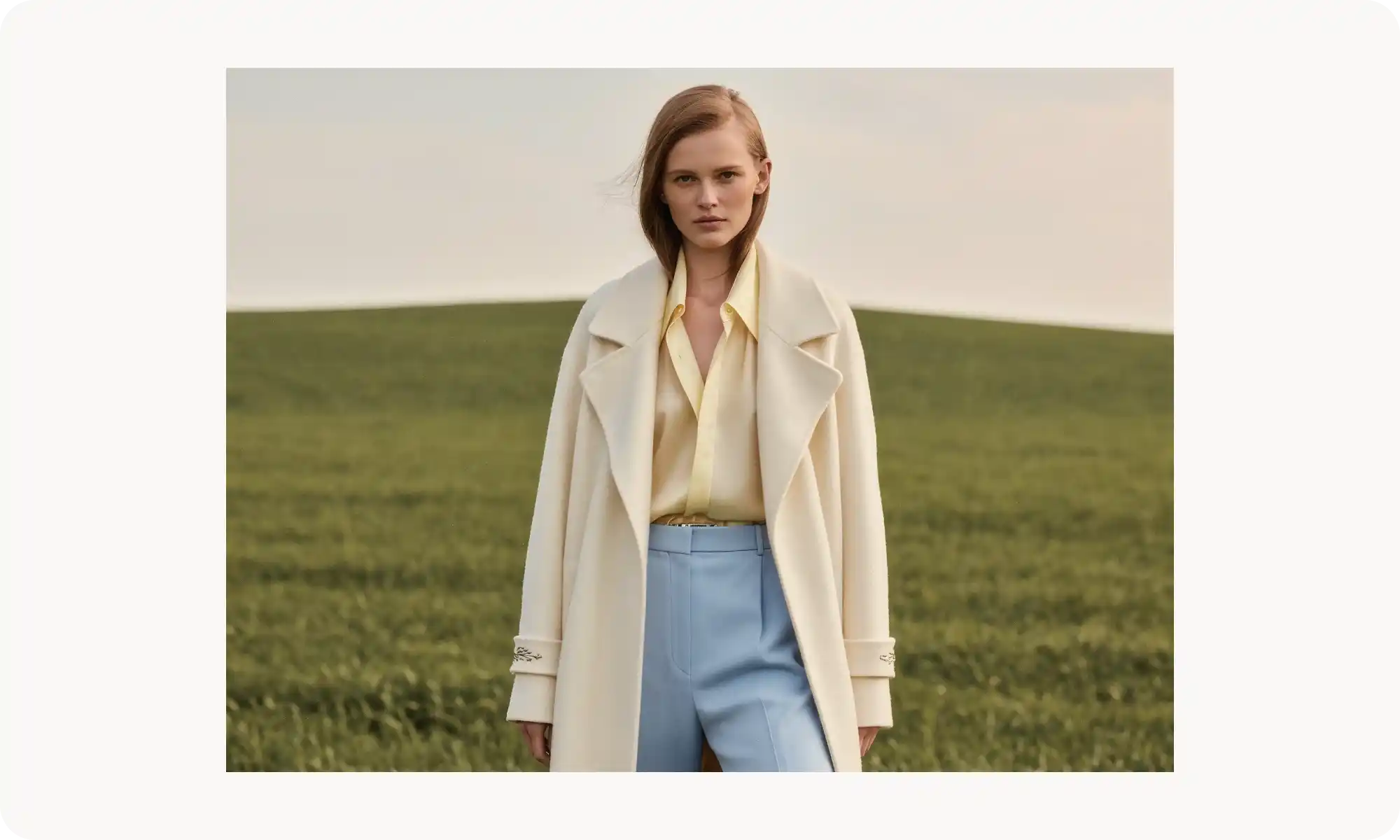
That said, interestingly, Kling 3.0 definitely has its place. The images it produces are more vibrant and punchy — they remind me of iPhone photography, but done right. With Nano Banana, that aesthetic is actually harder to achieve out of the box. Every model has a visual direction it naturally gravitates toward, and with Nano Banana, that tends to be more analog, film-inspired vibes.
Kling Image 3.0 vs. Grok Imagine Image
Grok Imagine launched in February 2026, powered by Aurora from xAI. It stands out for its photorealistic rendering and precise prompt adherence, thanks to training on billions of image–text examples from across the web.
That said, Grok Imagine currently tops out at lower resolutions compared to Kling’s native 4K output. If you need print-ready assets or production-quality stills, Kling Image 3.0 Omni delivers higher fidelity straight out of the box — no upscaling required.
How to Access Kling Image 3.0
You can access Kling 3.0 on Overchat AI by clicking this link. The model is free-to-try, so you can start generating images immediately, simply by creating an account.
You can also access Kling Image 3.0 through:
Kling's official web app at klingai
The API — for developers building custom applications
The Bottom Line
Kling 3.0 Image is interesting. Unlike Kling 3 on the video side, it’s not a revolutionary model — but it does have qualities that make it worthwhile to use alongside models like Nano Banana Pro, for example. In particular, it produces images that are highly contrasty, yet still tasteful.
On the flip side, it doesn’t handle text as well as some other models (we saw typos even in relatively short prompts), and when it comes to certain styles, it may miss more often than Google’s top-tier model.
That said, it’s faster, cheaper, and — importantly — different. It definitely deserves a place in your image generation toolkit. Don’t sleep on Kling Image 3.0 Omni.