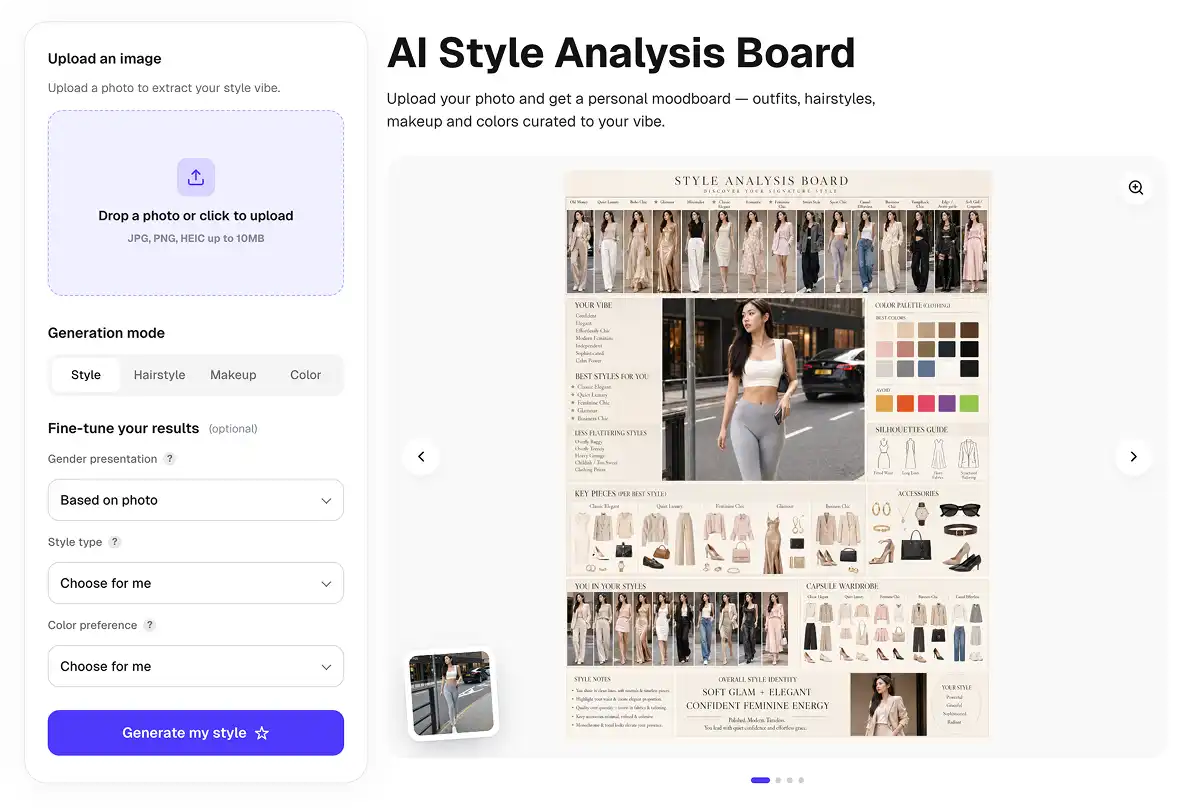
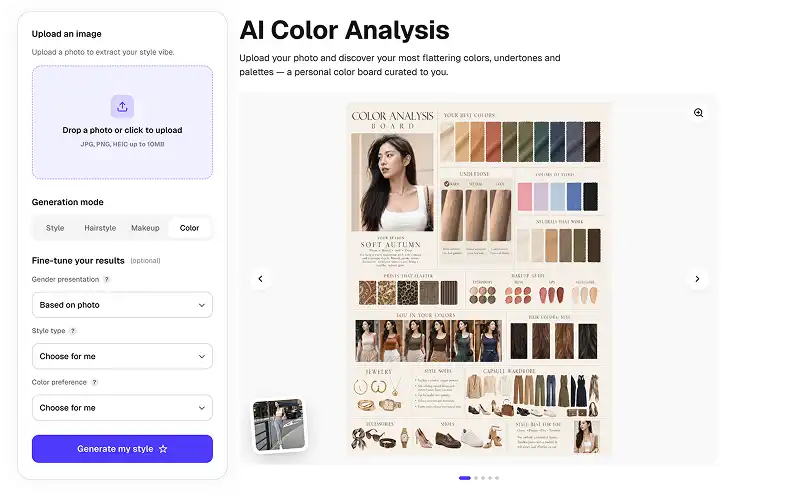
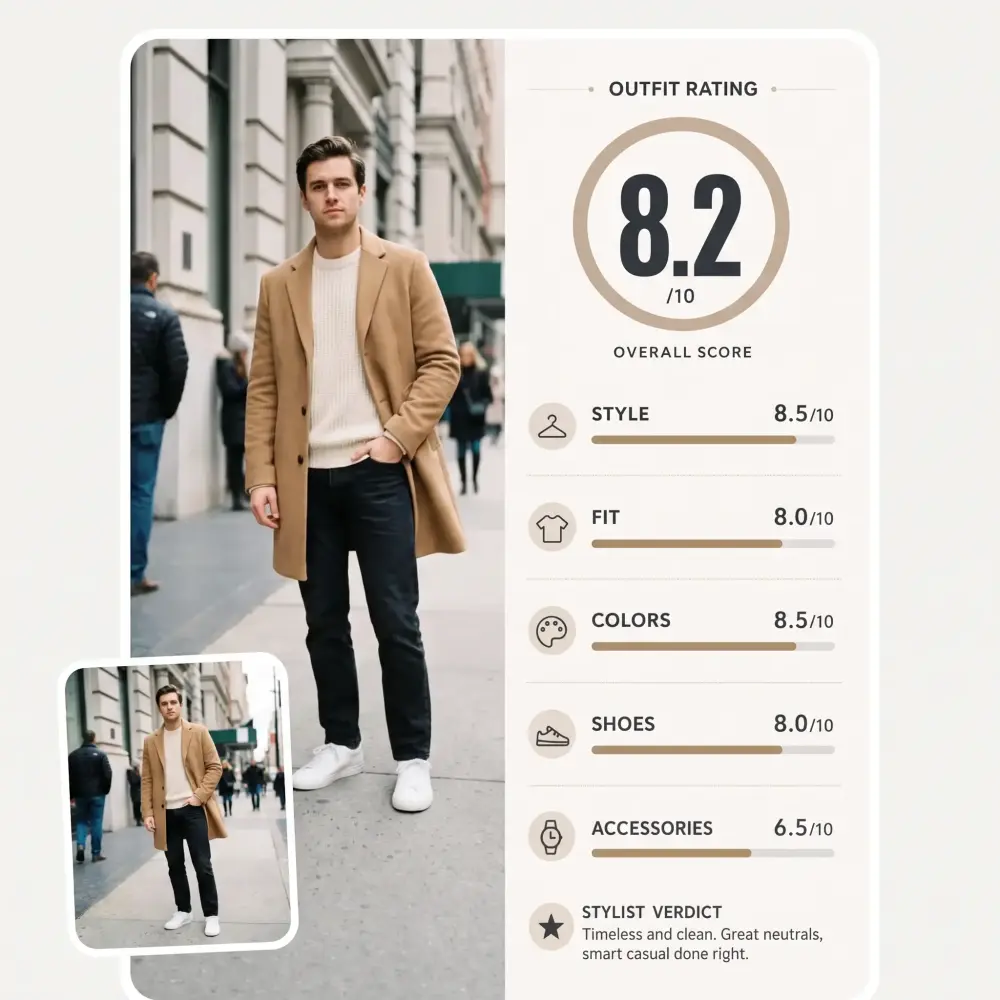
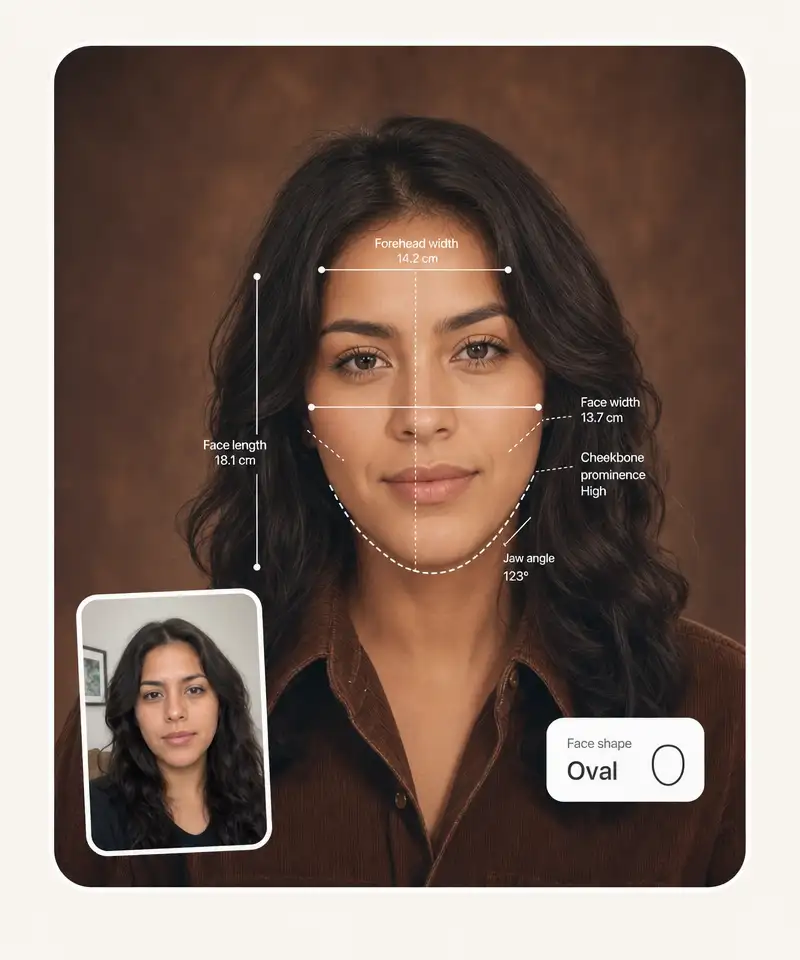
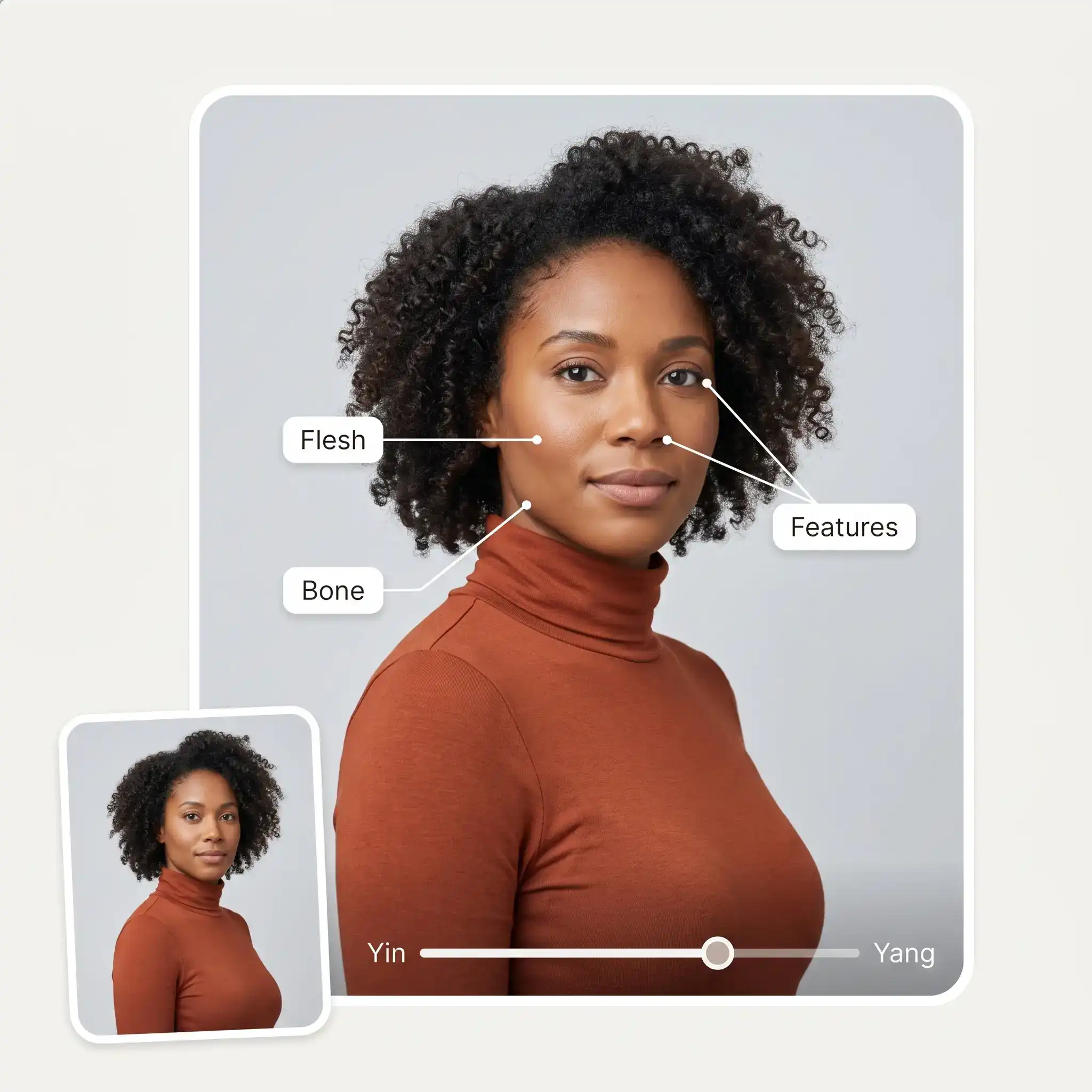
The Kibbe system divides personal style into 13 Image Identities, based on the balance of Yin and Yang in your appearance. Yin is associated with softer, rounded, delicate features, while Yang leans sharper, longer, and more angular. When you upload a photo, AI looks at four main areas: your vertical line, bone structure, facial flesh, and the sharpness of your features. It then looks at how these characteristics work together and matches them to the Kibbe type that fits your overall pattern most closely. Your result includes your likely Kibbe type, its family, and your Yin/Yang balance, along with styling suggestions tailored to the lines and proportions picked up from your photo. Use it as a starting point for figuring out which silhouettes, fabrics, accessories, and other style choices are most harmonious with your features.
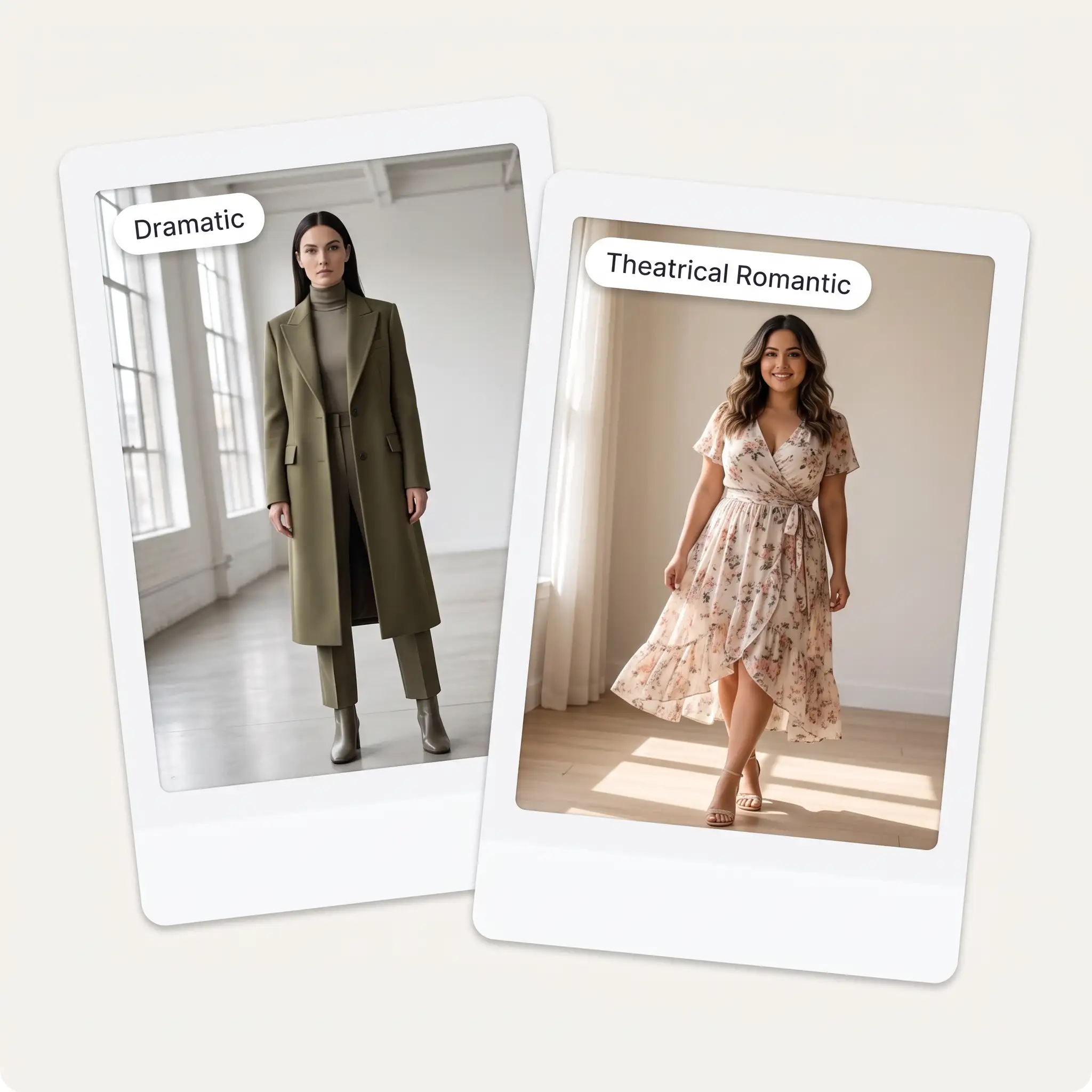
Understand which of the 13 Kibbe types you fall into: Dramatic, Soft Dramatic, Flamboyant Natural, Natural, Soft Natural, Dramatic Classic, Classic, Soft Classic, Flamboyant Gamine, Gamine, Soft Gamine, Theatrical Romantic, and Romantic.
Tired of endless online questionnaires? Just upload a photo and our AI will automatically detect your proportions and map them to the Kibbe system. This means that our test is highly accurate, even without taking details like your height and weight into account.
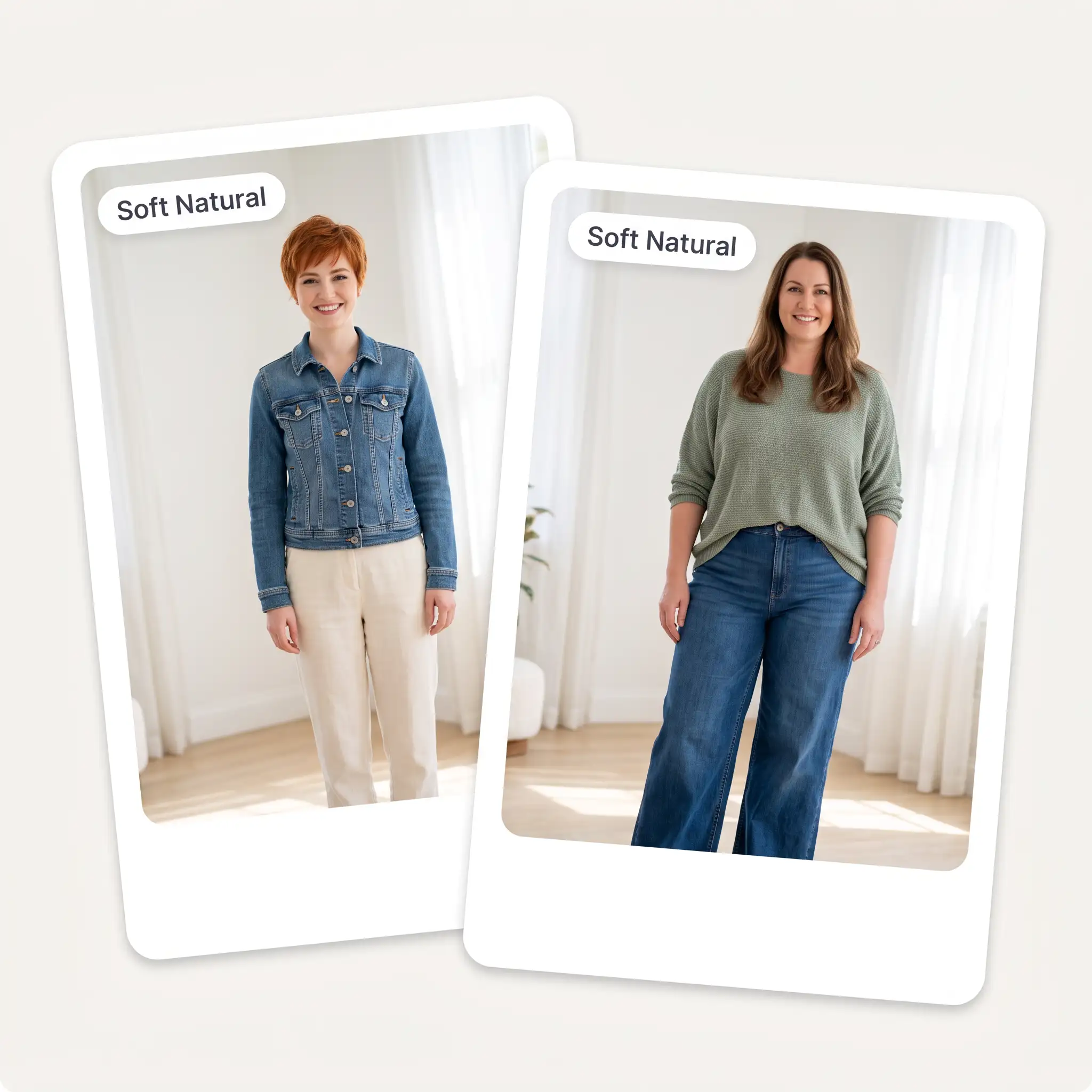
Get a practical style guide based on your Kibbe type. Learn how to dress for your silhouette and neckline, and which fabrics, and accessories complement your body shape. Save the guide for reference when you're shopping or use it as a starting point when putting together outfits.
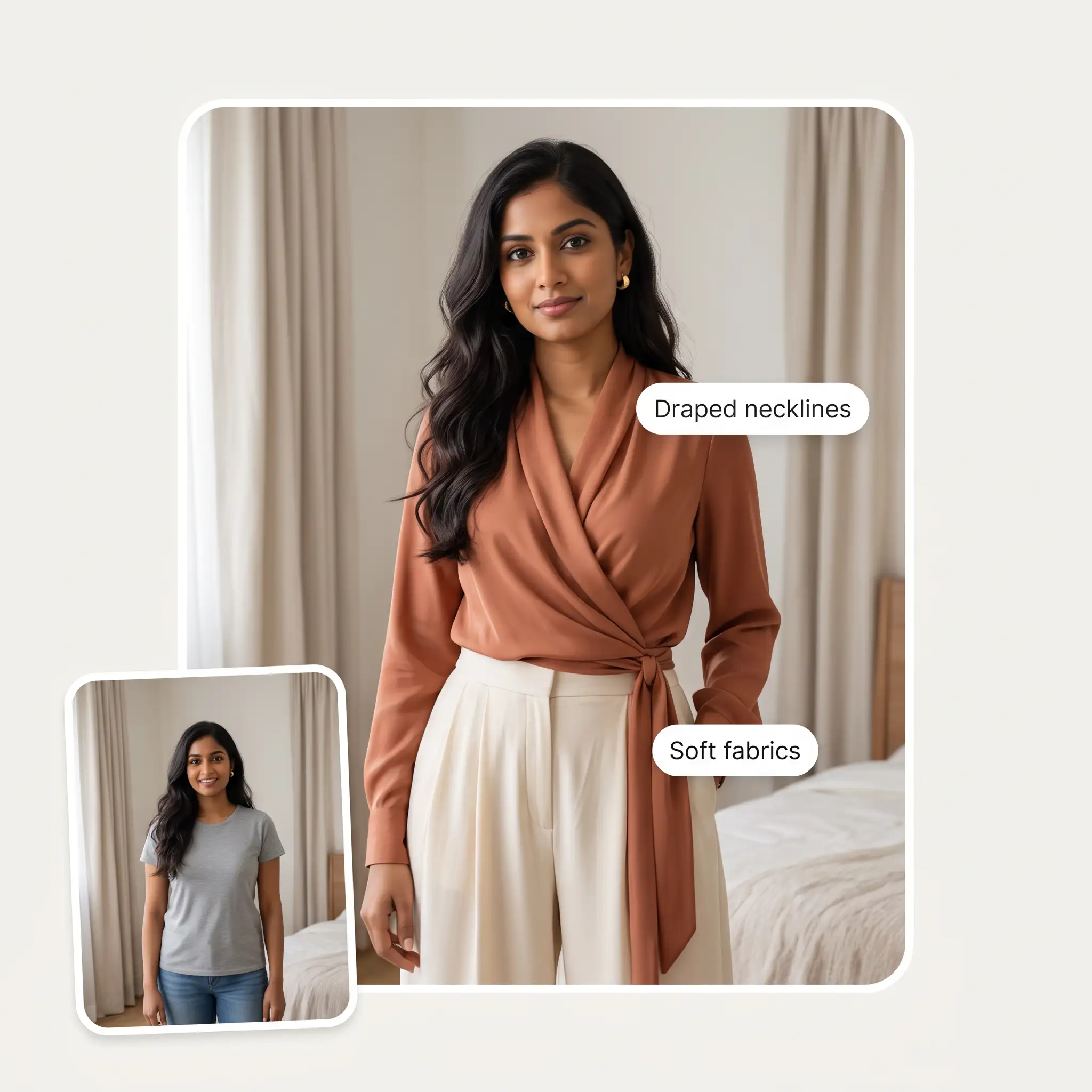
Wear something fitted enough to show your natural shape, and stand normally with your arms at your sides.
Your proportions, bone structure and softness all matter. The goal is to see the pattern they create together, not score individual features.
You’ll get your closest match, plus a clear explanation of what points in that direction.
Get practical guidance on cuts, shapes, fabrics and details that tend to suit your type.

Thirteen types across five families — each with its own line, balance, and style logic.
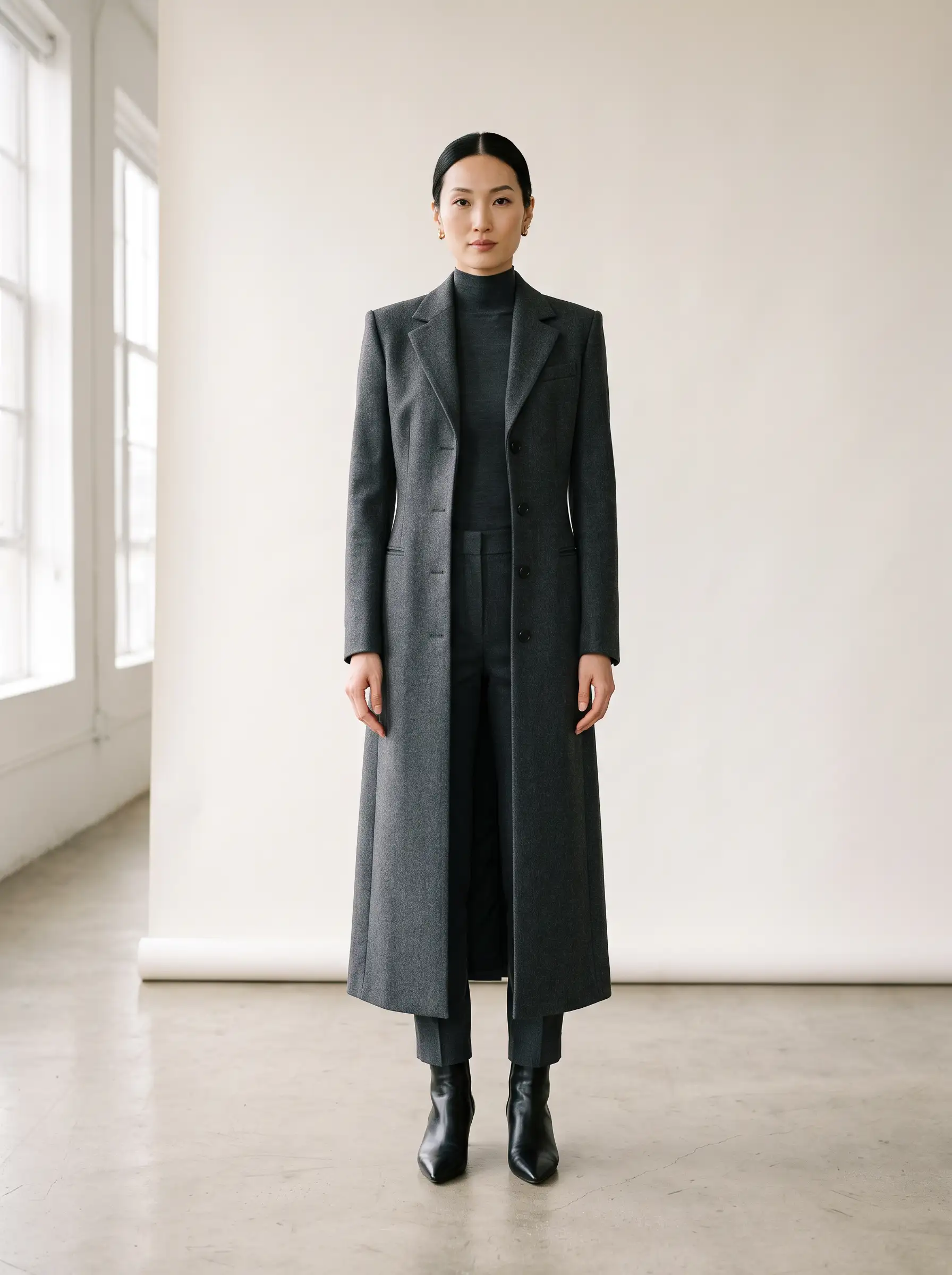
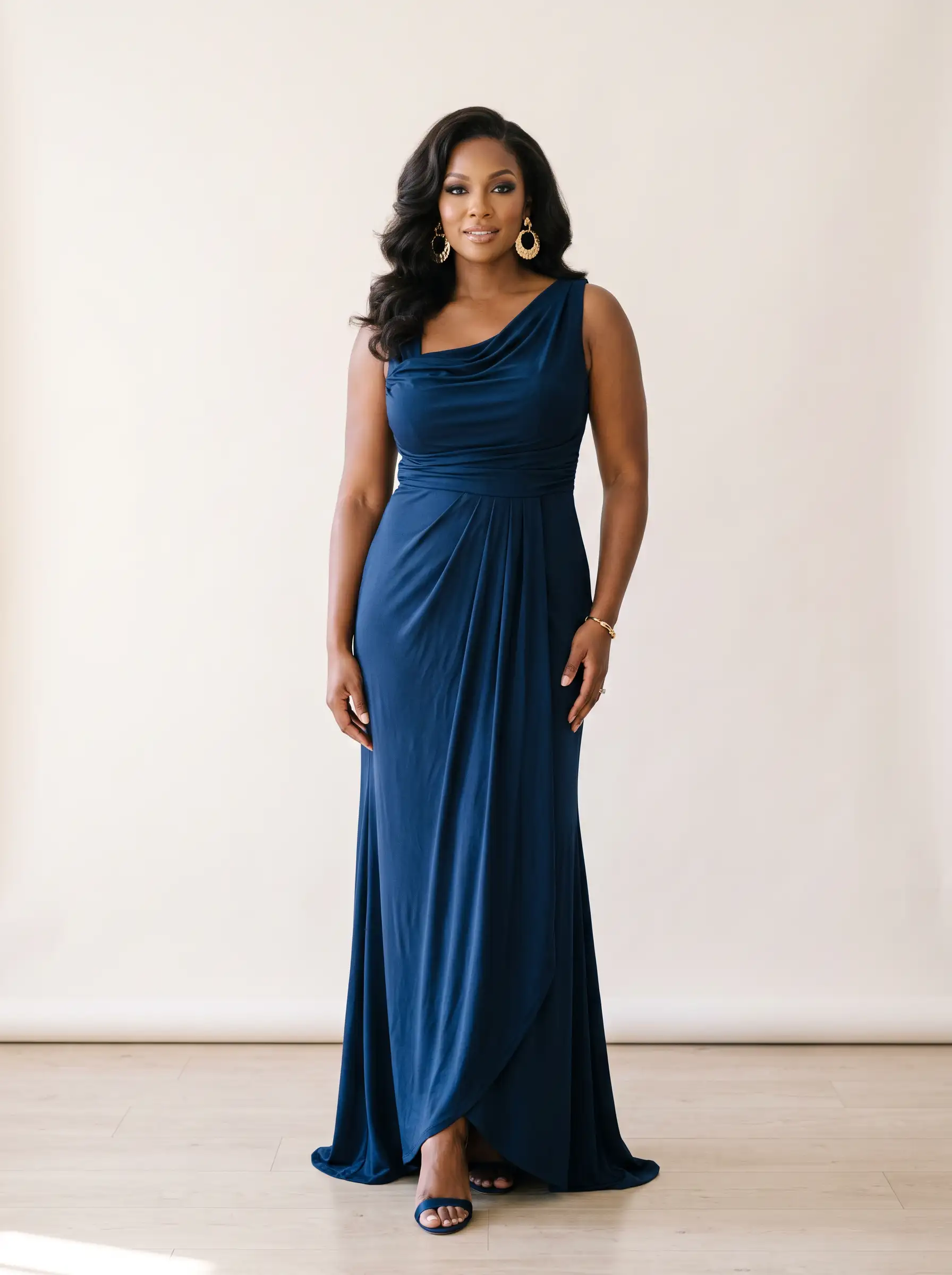
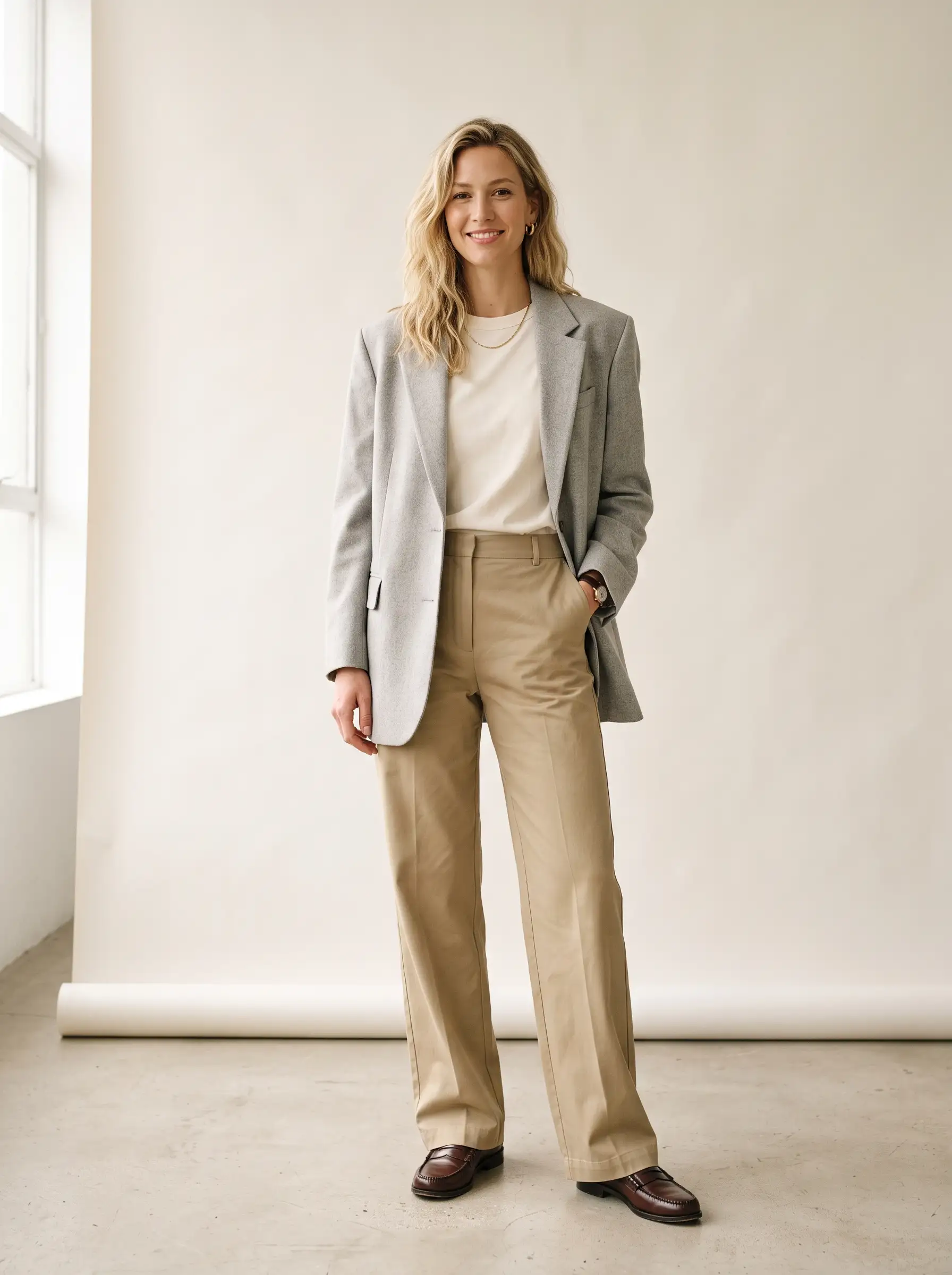
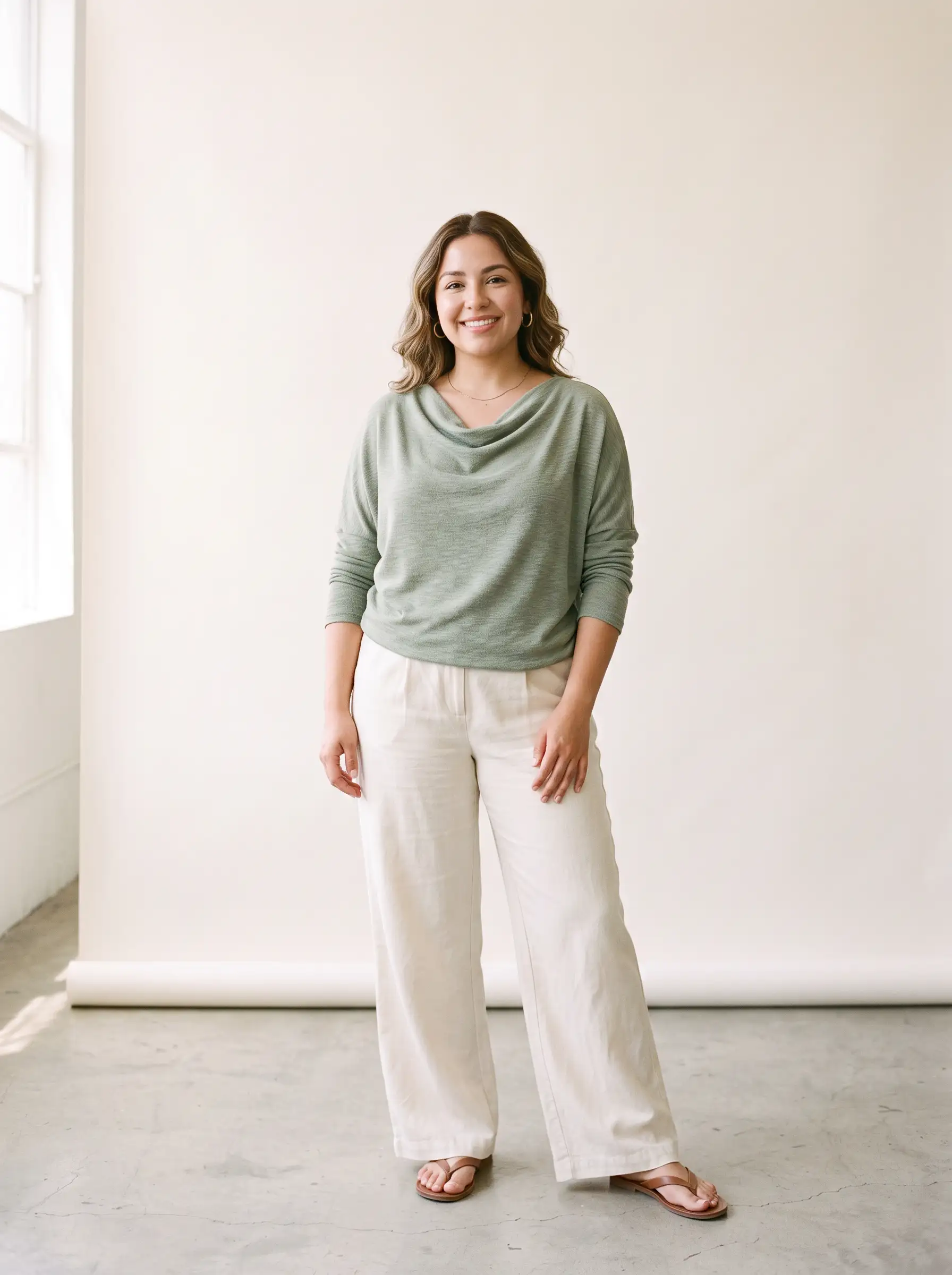
If you’re new to the system, this gives you a starting point without working through a long quiz and trying to decode the result on your own.
Already have a type in mind? Use the result as another perspective and compare the reasoning with your own.
Use it as a quick first impression before applying your own judgment and working through the details with a client.
Knowing which shapes tend to work with your proportions can make it easier to choose pieces that combine well, rather than building a capsule around whatever is trending.
Use your result to narrow down silhouettes and details before you start comparing individual pieces.
When you’re choosing an outfit for photos or video, use the guidance to experiment with proportions, necklines and fabrics that complement your overall lines.
im really into ai apps and that one is good, helps me with my arts and homework. i draw ai vids for inst and generate images with my characters, many widgets and models! like it
Great experience! It helps me able to do my work and respond to questions quickly trusting that the my responses are grammatically correct.
It's a nice place to be. I love it
I've started to use overchat last week and it feels very promising. Lots of AI models in one place saves a lot of money in comparison if you buy subscriptions for each one.
I like how it keeps everything organized. One subscription is enough for all major AI models, which helps me avoid paying for multiple platforms.
Affordable and simple to use. I like that I don't have to pay for several different services anymore.
A Kibbe body type is a style identity based on your overall proportions, structure and visual balance. It is used to guide choices such as silhouette, fabric, neckline and detail.
Use the Overchat AI Kibbe type online test. Upload your photo and get a detailed breakdown of your Kibbe type with an explanation of the features that influenced the result, based on an AI reading of your photograph.
The original Kibbe system introduced 13 Image Identities across five families: Dramatic, Natural, Classic, Gamine and Romantic. David Kibbe later retired the pure Natural, Classic and Gamine identities, so the current system uses 10.
Yin and yang describe different visual qualities. Yang is associated with length, sharpness and angularity. Yin is associated with softness, roundness and delicacy. Each Kibbe identity has its own balance of the two.
No. Pear, apple and hourglass systems focus mainly on the relative size of the shoulders, waist and hips. Kibbe looks at the full impression of the body and the kinds of clothing lines that work with it.
Weight can change fit and proportions to some degree, but Kibbe type is not based on dress size or a target weight. People at different weights can share the same type.
Yes — Overchat AI Kibbe test can use your photograph to place you into one of the 13 types. Our tool uses an artificial intelligence algorithm that maps out the lines of your body from a photograph and categorizes them in accordance with the Kibbe system.
No. Overchat AI is an independent tool based on the Kibbe style system. It is not affiliated with or endorsed by David Kibbe.
No. Your Overchat AI result includes practical styling guidance you can start using straight away. If you want to study the system in more depth, David Kibbe's own books and current material are the primary sources.
Available on Web, iOS, and Android. Access your AI assistant anywhere, anytime.

.webp)